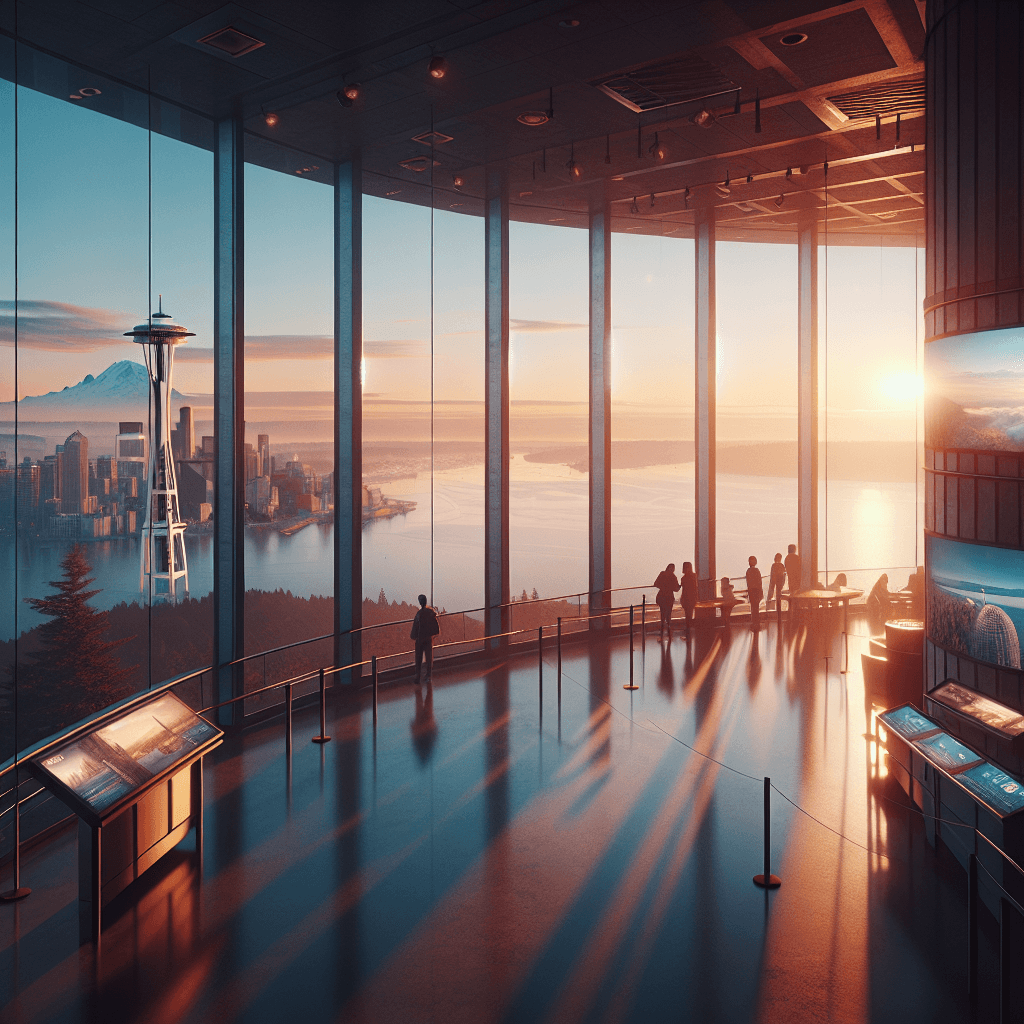
Why visit Sky View Observatory
Seattle’s skyline and surrounding landscapes are best understood from a vantage point that shows how water, mountains, and city streets fit together. Sky View Observatory delivers that perspective, providing an indoor, weather-sheltered panorama that helps travelers and locals alike get oriented. From high above downtown, you can trace ferry routes across Elliott Bay, follow the arcs of the sports stadiums to the south, and, on clear days, spot the distinctive silhouette of Mount Rainier to the southeast. For many visitors in the travel and transportation category, this stop doubles as both a memorable experience and a practical first look at the city’s layout before exploring the neighborhoods at ground level. Because the observatory sits in the core of downtown, it easily fits into a sightseeing day that includes Pike Place Market, Pioneer Square, the waterfront, and cultural venues. The indoor setting keeps the experience comfortable year-round, even when Seattle’s weather is changeable. Families appreciate the smooth elevator ride and wide window lines; photographers value the chance to capture sweeping views in nearly every direction. Whether you have a long weekend or just a single afternoon, the observatory’s central location helps you see more in less time. The brand name is straightforward: skyviewobservatory.com is the online home for hours, events, and helpful planning details. It’s the place to confirm opening times and learn how timed entry works, particularly during busy seasons. The official resources can also help you set reasonable expectations for visibility. Even on overcast days, the view can be striking, with layered architecture, working waterfront scenes, and shifting clouds creating dynamic frames. But when the skies open up, the scope of the landscape becomes even more apparent, turning a simple window look into a broad geographic lesson. As you plan, consider how this observatory complements other viewpoints in the city. Its height and central footprint differ from hilltop parks or waterfront piers, offering a top-down perspective that makes landmarks easier to place on your mental map. It also solves a common traveler need: maximizing orientation in a compact timeframe. For routes in and out of downtown, you’ll find it easy to connect the dots from the horizon line to street level once you’ve taken everything in from above. For current visitor information, directions, and planning guidance, consult the resources available through skyviewobservatory.com.
What to expect and plan
A typical visit to Sky View Observatory starts with checking the day’s conditions and hours. Visibility in Seattle can shift throughout the day, so if your schedule allows, look at local forecasts and aim for a window with the best clarity. Many guests target late afternoon through sunset, when golden light warms the skyline and the city transitions into evening. If you prefer thinner crowds, mornings or weekdays outside school holidays are often calmer, though patterns can vary. Upon arrival, expect a straightforward entry process. Timed admission, when in use, helps spread out visitors and supports a smooth experience. A brief security check is standard for major attractions, and then it’s an elevator glide to the observatory level. Inside, you’ll find floor-to-ceiling windows that trace a 360-degree path, with interpretive displays that help you identify key landmarks in each direction. Seating areas allow you to soak in the view at a relaxed pace, and there is typically a spot for refreshments so you can linger a bit longer. Photography is a big draw. For clearer shots through glass, position your lens close to the window to cut reflections; wearing darker clothing can also reduce glare from interior lights. Smartphone users can enable grid lines for level horizons, and a gentle wipe of the glass-facing surface of your phone or camera helps minimize streaks. Tripods and large stabilization gear may be restricted for safety and space considerations, so plan to travel light and confirm onsite photography guidelines in advance. Accessibility is an important factor, and the venue is designed to be reached by elevator, making it a practical choice for guests using mobility devices or strollers. Restrooms, seating, and wide viewing aisles support a range of needs, though specific accommodations and policies can change; for the most current details, check the official site before your visit. Food and beverage policies vary; typically, outside food is limited, and any on-site café or bar offerings, hours, and menus may differ by season. Getting there is straightforward by public transportation or rideshare, with convenient downtown access. If you plan to drive, nearby garages provide parking at prevailing rates; day-to-day costs and hours can fluctuate, especially during major events. Because schedules and pricing are not static, it’s best to treat online information as a guide rather than a fixed promise and confirm again on the day you go. With even a bit of planning, you can make the most of your time at the top without feeling rushed.
Tips for a smooth visit
Start by choosing a time that fits both your itinerary and the light you prefer. For soft hues and long shadows, the hour before sunset is popular; for crisp views and typically lighter attendance, mornings can be excellent. If weather is unsettled, consider a flexible plan: enjoy museums or covered markets first and pivot to the observatory when the clouds lift. Visibility can improve quickly, and even misty days have their own moody appeal over Elliott Bay and the downtown grid. For photography, reduce reflections by placing your camera or phone directly against the glass, and shade the lens with your hand if needed. Avoid leaning objects on the windows, and keep your bag under control to maintain clear space for other visitors. If you’re traveling with kids, let them choose a favorite window section and identify maritime traffic, stadiums, or mountain peaks using the on-site guides. You can keep your viewing loop efficient by moving clockwise around the floor, hitting each compass point to ensure you don’t miss a perspective. Comfort matters at altitude, even indoors. Temperatures near windows can feel cooler when exterior weather is brisk, so bring a light layer. Wear shoes suitable for standing, and give yourself time to sit and rest so the experience remains enjoyable. Food and drink policies vary by venue and season; it’s best to assume that outside snacks may be limited and plan meals before or after your viewing time. Transportation choices can streamline the day. Downtown transit and rideshare drop-offs are typically the simplest options. If you drive, verify garage hours and event surcharges in advance, especially during sports games or festivals that draw crowds to Seattle’s core. When planning a broader itinerary, nearby highlights like Pioneer Square, the waterfront, and arts venues pair naturally with the observatory for a balanced day of indoor and outdoor sights. Finally, review current guidelines before you go. Operating hours, special events, and ticketing approaches can shift with seasons or citywide happenings. Photography restrictions (especially around large gear), accessibility updates, and group policies are also subject to change. To stay current and minimize surprises, check the latest visitor information and planning tips and, if you still have questions, learn more directly from skyviewobservatory.com before finalizing your schedule.
Key takeaways and next steps
Sky View Observatory offers a comprehensive, indoor view of Seattle that helps orient newcomers and rewards repeat visitors with fresh perspectives. Its downtown location makes it easy to fold into a travel day that includes markets, museums, and waterfront stops, and the high vantage neatly connects landmarks into a single, readable panorama. By planning around weather, selecting a time that fits your goals, and following simple photography and comfort tips, you can enjoy the experience without feeling rushed. Before you go, verify operating hours, timed entry details, and any changing guidelines for accessibility, photography, and food and beverage policies. Give yourself a cushion in your schedule to pause at each compass point and absorb the view, and choose transportation that simplifies arrival and departure. With a little preparation, your visit becomes both a memorable highlight and a practical preview of the city’s layout—an ideal blend for travelers looking to make the most of their time in Seattle.