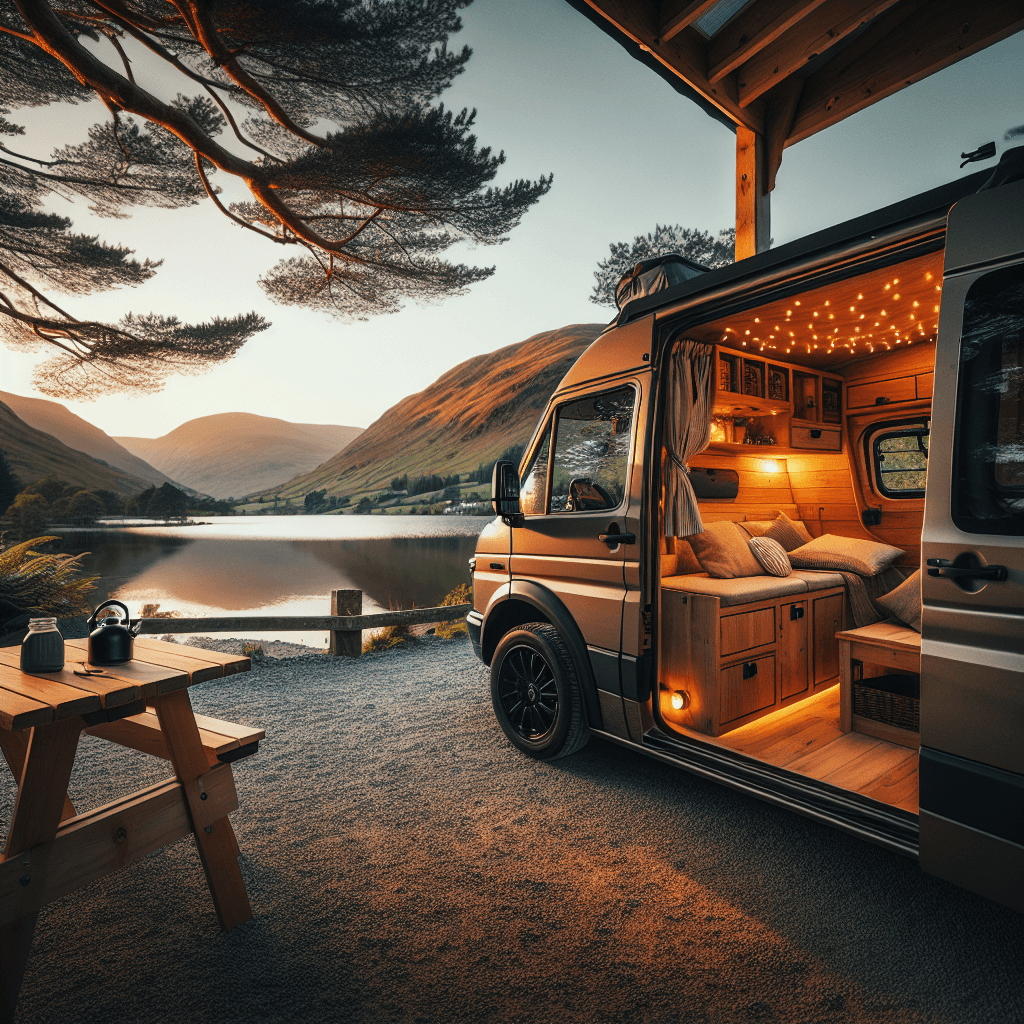
Why campervan travel appeals now
Road trips have become a flexible, memorable way to explore regions at your own pace, and campervans add a practical layer of comfort by blending transport and accommodation in one. In the travel and transportation category, this approach addresses a simple, common need: how to see more while spending less time checking in and out of hotels, juggling public transport, or being locked into rigid itineraries. Instead of hopping between fixed stops, a campervan lets you pivot with the weather, stay longer when you’ve found a great spot, and keep everything you need within arm’s reach. That’s the promise that attracts many people to quirkycampers.com, a platform that showcases independently owned, characterful vans designed with lived-in comfort and personality in mind. Compared with standard RV hire, the vans you’ll find here are typically compact and thoughtfully converted, with handcrafted interiors that prioritize clever storage, comfortable sleep setups, and enjoyable cooking spaces. This can resolve pain points like limited kitchen access or cramped sleeping arrangements, especially if you’re planning multi-day drives or visiting small towns where narrow roads and limited parking make agility a real advantage. For first-time renters, the idea of taking an entire home-on-wheels can feel daunting at first; however, van listings often include clear descriptions, detailed photos, and host notes about best uses and practical quirks, making it easier to determine fit for your travel style. Whether you’re a couple chasing coastal sunrises, a family wanting to simplify logistics, or a solo traveler looking for a self-contained base between trailheads, the model translates across many trip types. Those working remotely may appreciate stable surfaces for a laptop and well-placed charging ports; pet owners often seek vans that welcome animals and provide durable, easy-to-clean finishes. A focus on mixed seasons is common too, with heaters and insulation designed to shoulder early spring or late autumn trips. In short, a campervan can be a streamlined solution for travelers who want fewer moving parts and more time outside. If you’re considering this route, it helps to understand how the platform works, what costs to expect, and how to plan responsibly for driving, camping, and care of the vehicle. You can begin by browsing options directly through quirkycampers.com, then use the guidance below to refine dates, routes, and practicalities for a smooth journey.
What to look for in a van
The most practical way to start is by matching a van’s features to your trip goals. On quirkycampers.com you’ll typically find filters for pickup location, travel dates, number of seats and berths, and amenities such as cooking gear, heating, refrigeration, toilets, showers, and off‑grid power. For shorter breaks where you’ll spend most hours outdoors, a compact build with a simple galley kitchen and a comfortable bed might be ideal. For longer journeys or shoulder-season travel, you may want a heater, strong insulation, and a more generous battery setup to keep lights and chargers powered even away from hook-ups. If you’re planning to work on the road, a stable tabletop and multiple USB or 12‑volt points can make an outsized difference to daily comfort. Every listing will typically outline what’s included, from gas bottles and cookware to bedding, camping chairs, and insurance provisions. Read these closely, because they vary by van and host. Pricing also varies with seasonality, duration, and optional extras. Take note of the security deposit, fuel policy, cleaning expectations, and mileage limits (if any), as these can influence the total cost. Insurance terms will differ; many listings include standard coverage with options for additional drivers or upgrades. Minimum age, license validity, and driving record requirements also apply and can vary by location and insurer, so it’s essential to confirm specifics on the booking page before you commit. Pickup and return logistics are another crucial piece. Plan for a walkthrough at collection, where the host demonstrates key systems such as the hob, fridge, heating, water, and electrical controls. Use that time to ask practical questions about battery management, gas safety, and roof height. Before returning the van, factor in time to refuel and tidy the interior according to the host’s guidance. If you’re new to campervans, consider shorter daily driving distances while you get used to vehicle size, weight, and braking. The fundamental advantage of a platform featuring unique conversions is the character and craftsmanship of the interiors, often with reclaimed wood, space-saving cabinetry, and cozy lighting. That visual warmth is pleasant after a day outdoors, but it’s also functional: a well-designed layout can mean less time searching for essentials and more time enjoying your surroundings. If you’d like to see a range of layouts and inclusions before choosing, you can explore campervan rentals and compare features side by side to identify the right fit for your route, season, and group size.
Planning routes and logistics
Once you’ve selected a van and dates, shape your route around realistic, enjoyable driving windows. A common guideline is to aim for modest daily distances so that sunrise coffees, spontaneous hikes, and photo stops don’t feel rushed. In regions with scenic but slower roads—coastal loops, highland passes, or national parks—your average speed will drop, so plan shorter legs and build in buffer days. Save offline maps in case you lose signal, and mark fuel stations, supermarkets, and water refill points in advance. If you expect to rely on campsite facilities, reserve popular sites early during peak season; if you prefer off‑grid nights, verify the legalities and etiquette for overnight parking in your destination, as rules differ by country and region and can change over time. Pack for flexibility. Choose layers that suit the season, a headlamp for late returns to camp, and a small doormat to keep sand and mud out. Bring a power bank for phones and consider a 12‑volt charger for cameras or laptops if you plan to work or edit photos. Learn the basics of your van’s power system so you can balance charging while driving with energy use when parked. With fridges and heaters, efficiency improves when doors remain closed and airflow is clear. Cooking is easier if you pre‑plan a few simple recipes; compact ingredients like couscous, pasta, tins, and spices go a long way. Dispose of waste thoughtfully, and only empty grey water or toilets where local rules allow. Driving a campervan is straightforward once you adapt to length and height. Take wider, slower turns, and watch for height restrictions on car parks, bridges, and old town arches. Respect speed limits, avoid obstructing access on narrow lanes, and never block gates or farm tracks. In coastal or highland areas, use passing places courteously. If you’re traveling with pets, confirm pet policies, bring a harness for safe transit, and ventilate well on warm days. Before return, refuel as required, wipe surfaces, and check you’ve packed everything. For policies, checklists, and any country‑specific requirements on licensing, insurance, or roadside assistance, review the guidance on the provider’s pages and the van listing itself; if anything is unclear, contact the host through the platform. You can always refer back to the official site during your planning to confirm availability, inclusions, and any updates to terms before you finalize your itinerary.
Key takeaways and next moves
A campervan trip offers a practical blend of flexibility and comfort, letting you carry your essentials while you explore coastlines, countryside, and national parks at a relaxed pace. Platforms like quirkycampers.com focus on distinctive, host-run vans with thoughtful layouts and clear listing details, which makes it easier to find the right fit for your group size, season, and route. The most important steps are to match amenities to your needs, confirm terms and insurance requirements on the booking page, and plan realistic daily distances so driving never overshadows the experience. Before you go, skim the listing’s inclusions and policies, understand pickup and return expectations, and create a simple packing and meal plan. Map fuel, water, and shopping stops, and book campsites where necessary, especially in popular months. While on the road, manage battery and gas sensibly, drive conservatively, and follow local rules for parking and waste disposal. These foundational habits reduce stress and help you enjoy more spontaneous detours and downtime. With a little preparation and a careful read of your chosen van’s details, you can set up a smooth, rewarding journey that feels personal without becoming complicated.