Why this site matters
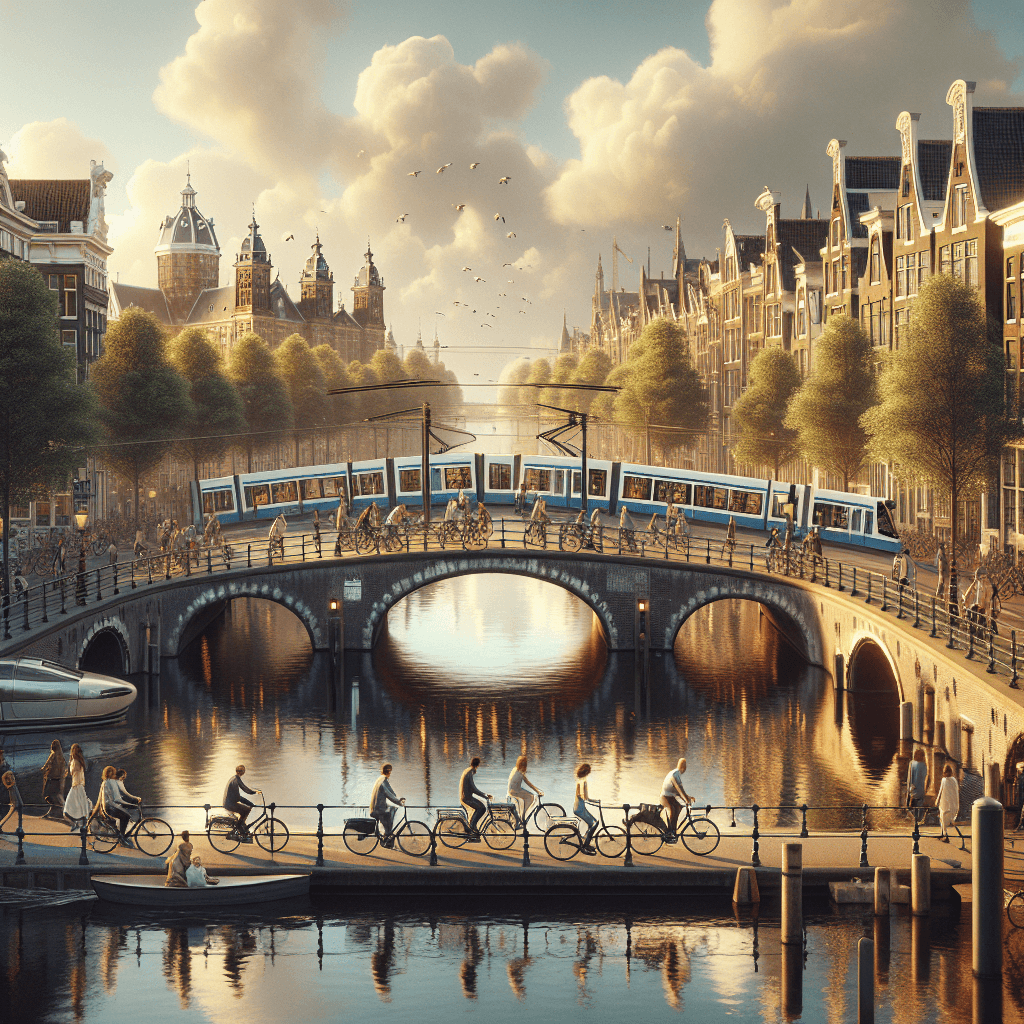
Planning a city break to Amsterdam is exciting, but it can also feel complex once you start mapping out museums, canal cruises, neighborhoods, and transport. The city is compact and walkable, yet its cultural calendar is packed, popular venues use timed tickets, and seasonal events can quickly change availability. In the travel and transportation category, reliable pre-trip information is invaluable: you want clear guidance on how to move around, what is open when, which passes or tickets fit your plans, and how to structure days to avoid queues and unnecessary backtracking. That is where Amsterdam’s official city platform becomes a practical ally. On iamsterdam.com, you can explore attractions, neighborhoods, and itineraries curated with up-to-date city insights, which helps transform a rough idea into a realistic day-by-day plan. For first-time visitors, the challenge often starts with prioritizing: the Rijksmuseum, canal belt, and Jordaan sit high on many lists, while modern architecture across the IJ in Amsterdam Noord, street markets in De Pijp, and tranquil courtyards (hofjes) offer a very different mood. Then there is the question of transport. You can cycle, of course, but understanding tram, metro, and ferry connections will save time when a sudden rain shower rolls in or your feet need a break. Tram and metro lines knit together major museums, parks, and food districts, while free ferries link Central Station with the creative venues and waterside viewpoints in Noord. Managing all these options is easier with a single source that consolidates maps, transit guidance, opening times, and current exhibitions. Because Amsterdam’s most in-demand venues rely on timed-entry systems, it is wise to begin with a framework: which days will be museum-heavy, when to schedule a cruise, and where to place markets or parks so you can linger without rushing. The city’s official site helps here with editorial overviews of districts, seasonal highlights, and insights on accessibility and sustainability. Even if you travel off-peak, it is smart to check event calendars; festivals, light installations, and major sports can subtly reshape the flow of the city. With a balanced itinerary in hand—designed around realistic transit hops and manageable walking distances—you can focus more on discovery and less on logistics.
Tools and trip details
A practical plan often starts by deciding whether a city card or à la carte tickets make more sense for your style of travel. The city’s pass options can bundle museum entries, a canal cruise, and public transport into one purchase, while pay-as-you-go may suit travelers who prefer a slower pace. In either case, Amsterdam’s museum landscape favors early planning: marquee attractions are popular year-round, and some require reservations well in advance. The city’s official portal outlines inclusions, exclusions, and booking steps in plain language, so you can compare costs and convenience before committing. It is also sensible to remember that a few headline attractions sell their own timed tickets separately; availability windows can open weeks ahead and fill quickly during peak periods. Cross-referencing what is included in a pass with venue-specific booking is a small step that safeguards a smooth visit. If you need a single place to start that process, the site’s dedicated sections make it easy to plan your trip. Transport is straightforward once you know the basics. Trams and the metro form a reliable backbone for crossing the center and reaching neighborhoods like De Pijp, Oost, and Nieuw-West. Free ferries shuttle across the IJ from behind Amsterdam Centraal to creative pockets of Noord, where waterside promenades and cultural venues reward an afternoon detour. Cycling remains an enjoyable way to connect short distances, but remember to follow local rules, yield predictably, and park in designated areas. For public transport payment, contactless options are common, and city card coverage typically applies to the GVB network within Amsterdam; always check the latest conditions to understand what is included and what is not. Neighborhood pages on iamsterdam.com help you match mood to map: the Museum Quarter anchors world-class art; Jordaan’s canal-side streets suggest slower, café-led wandering; De Pijp is lively with markets and eateries; Noord blends industrial character and contemporary design. Restaurant and café features are especially useful for balancing days with reliable dining options near the venues you plan to visit. Meanwhile, seasonal guides—spring blooms, summer canal life, autumn culture weeks, and winter lights—provide a sense of rhythm throughout the year. If your trip includes Schiphol Airport, the portal’s practical tips outline transport into the city and onward connections, helping you choose between trains, buses, and taxis depending on group size, luggage, and arrival time. By assembling all these elements in one place, the site reduces guesswork and helps you protect your time on the ground.
Practical next steps
Begin by sketching a three- or four-day outline around your interests. If art and design are central, anchor one morning at the Rijksmuseum or Stedelijk, add a late-afternoon canal cruise for a change of pace, and place a neighborhood stroll—perhaps Jordaan or De Pijp—between them. Food-focused travelers might thread through Noord’s creative venues and waterside dining, or pair a morning market with a museum and a park. Families can cluster attractions to minimize transfers and choose green spaces such as Vondelpark to break up museum time. Once you have a skeleton itinerary, use the city’s official portal to verify opening hours, check for special exhibitions that require separate entry, and lock in timed tickets for the busiest venues so you have a reliable daily anchor around which to improvise. For an authoritative, up-to-date reference as you refine dates, neighborhood choices, and ticket options, it is helpful to keep the official site open alongside your calendar. If you are weighing a city card versus individual tickets, estimate how many museums and activities you will realistically enjoy in a day. Factor in transport hops and the time you want for cafés, markets, and canalside wandering. A card can be convenient for museum-heavy days and cross-town zigzags, whereas à la carte may fit a more leisurely pace. For public transport, familiarize yourself with tram and metro lines that connect your accommodation with your day’s first stop; tapping in and out consistently will keep things seamless. Ferries across the IJ are free and frequent, which makes a loop into Noord an easy addition if your plan allows. If you intend to cycle, consider a route that avoids the busiest corridors at rush hour and follow local etiquette at junctions and on narrow bridges. Two more practical layers can make a real difference. First, check the event calendar to see if your dates coincide with festivals, cultural weekends, or sports fixtures that may affect crowd levels or opening hours; even if you do not attend, this information helps you time museum visits and dinner reservations. Second, consider accessibility and sustainability: look for step-free routes, accessible entries, and options that minimize unnecessary detours. Save maps for offline use, note emergency and service contacts, and keep reservation confirmations organized in one place. With thoughtful sequencing and a grasp of local transport, you will balance marquee sights with time to linger in courtyards, independent galleries, and quiet canal corners, turning a good plan into an enjoyable, flexible itinerary.
Essential trip takeaways
Amsterdam rewards plans that are clear yet flexible. Start with a rough itinerary that places timed-entry attractions as daily anchors, and then add a canal cruise, a neighborhood wander, and well-chosen cafés or parks to create a comfortable rhythm. The city’s official portal helps you compare pass options, understand what is and is not included, and secure reservations early enough to avoid schedule crunches. Practical transport knowledge—trams and metro for longer hops, free ferries for Noord, and cycling for short, scenic connections—keeps transitions smooth and predictable. Neighborhood guides make it easy to tailor days around your interests, from the Museum Quarter’s classics to the creative edges of the IJ. Before you finalize, review seasonal highlights and the events calendar to anticipate busier periods or special exhibitions, align bookings with opening hours, and balance each day’s walking and transit. With accurate, city-backed information and a realistic sequence of activities, you can spend less time navigating logistics and more time discovering galleries, canals, markets, and green spaces. Use these steps as a framework, and refine the details with authoritative updates from the source so your Amsterdam trip feels organized, relaxed, and genuinely your own.