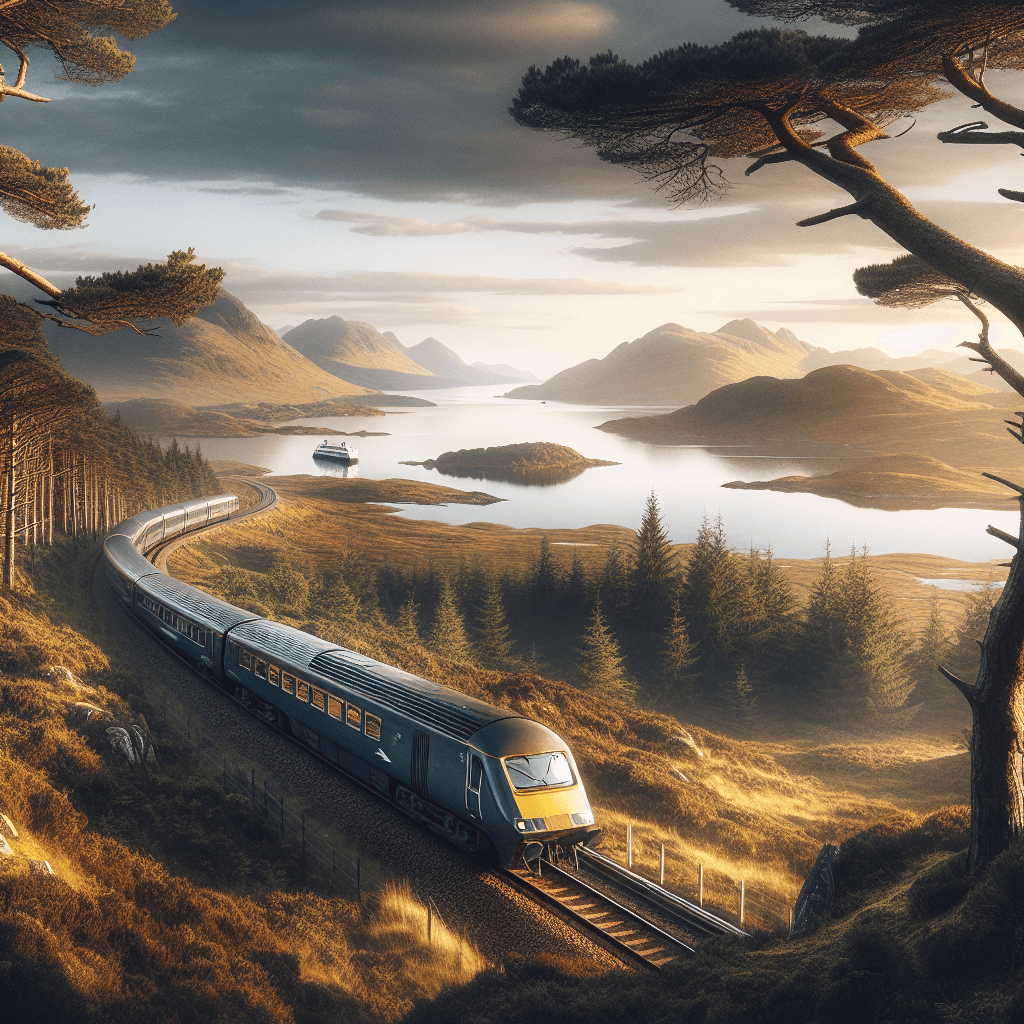
Why Scotland travel planning matters
Scotland’s landscapes are both dramatic and deceptively spread out, which is why thoughtful planning in the travel and transportation category pays off. Visitors often try to fit a city break in Edinburgh or Glasgow alongside Highland scenery, a castle or two, and perhaps an island hop, only to discover that travel times and daylight hours set the pace. The reward for careful planning is a trip that feels unhurried: spending time where it counts, linking routes efficiently, and choosing transport modes that suit your style and budget. A sensible first step is to map the “shape” of your journey. City-to-city connections are typically easiest by train, while remote glens and single-track roads favor a rental car, and islands rely on ferries. Shoulder seasons like late spring and early autumn can offer calmer crowds and softer light, though weather is changeable at any time of year. Summer brings long days, allowing ambitious itineraries, while winter days are short and may limit how far you can comfortably travel before dark. Small towns and islands often have limited accommodations that fill early, especially when major festivals or school holidays approach. Booking in advance protects your preferred bases—places where you’ll spend two or three nights, radiating out for day trips instead of packing and unpacking daily. This base-camp approach is kinder to your schedule and budget, and it reduces travel fatigue. If you’re browsing ideas, destination overviews and transport updates on resources like caledonian.com can help you weigh options without overcommitting. Another early consideration is trip pacing. It’s tempting to stitch together highlights—Edinburgh’s Old Town, the Cairngorms, Skye’s coastline, and the far north—in a single loop. In practice, fewer moves create richer experiences. Two anchor regions plus a city often deliver better memories than a frantic dash. Factor in the character of the roads and rail lines; scenic doesn’t always mean fast, and that’s part of the charm. A thoughtfully layered plan—city culture, a Highland base, and an optional island add-on—tends to balance variety with feasibility. Finally, consider accessibility and personal comfort. Many attractions offer step-free options, and transport providers publish guidance on mobility and luggage policies. Whether you travel by rail, drive, or mix modes, a little pre-trip reading ensures the route fits your needs. With the essentials in place—routes, bases, and realistic timing—you’ll be free to enjoy the views rather than chase them.
Getting around and timing
Scotland’s rail network links major cities and several scenic corridors, making trains an efficient foundation for your itinerary. As a rough guide, Edinburgh to Inverness may take around three and a half to four hours, while Glasgow to Fort William can be a similar range, depending on service and stops. Trains are comfortable for longer stretches and pair well with occasional car rentals at your chosen base, especially if you’re keen to explore single-track roads, viewpoints, or trailheads that aren’t near stations. Reservations are advisable for popular routes when available, and it’s worth comparing flexible fares with cheaper, time-specific tickets if your plans are settled. Ferries are essential for islands and even some peninsulas. Check timetables early, as services may be seasonal and weather dependent. Booking a vehicle space well ahead is often necessary in peak months, and foot passengers should also confirm schedules before fine-tuning accommodations. If you plan back-to-back connections—say, a morning ferry followed by an afternoon bus—build generous buffers in case of delays. On the road, allow extra time for scenic stops and the etiquette of passing places on single-track sections. Driving in rural areas rewards patience; plan shorter daily distances than you might elsewhere. Urban mobility is straightforward. In Edinburgh and Glasgow, buses, trams (in Edinburgh), and suburban rail simplify cross-town trips; contactless payments are common, though it’s wise to verify accepted cards and any caps. For regional buses, dedicated apps can show live times and ticket options. If you intend to travel frequently by train over several days, explore railcards or passes where eligible, and compare against pay-as-you-go fares. Beyond tickets, consider practicalities: luggage weight on stairs at smaller stations, platform changes during connections, and station facilities late in the evening. Connectivity and power are easy to overlook. UK Type G plugs mean a travel adaptor is essential for many visitors. Mobile coverage is good in cities and towns but can thin out in remote glens; downloading offline maps and confirming navigation in advance helps. Weather changes quickly, so layered clothing and waterproofs matter even in summer. For night travel, some routes offer comfortable seated options; others operate overnight services on specific days. As you survey possibilities and timings, browsing summaries and travel resources via caledonian.com can contextualize routes and seasonal considerations; it’s also a convenient place to explore offers and inspiration before you commit. When aligning days and distances, build around your non-negotiables—perhaps a museum in Edinburgh, a day on Skye’s Trotternish ridge, or a castle loop near Inverness. If you interleave long travel days with lighter ones, the trip breathes. That rhythm limits fatigue and maximizes time at viewpoints, cafés, and trails instead of train platforms or petrol stations. A well-calibrated timetable is a form of travel insurance: even if the weather shifts, your plan can flex.
Steps to build your plan
Start by stating your intent in a sentence: what you want to feel at the end of the trip. That single line clarifies whether your emphasis is city culture, wild landscapes, coastal villages, or a measured blend. With that lens, pick a primary base and a complementary second base, then decide which mode carries you between them. For example, you might anchor in Edinburgh for museums and architecture, then choose Aviemore for Cairngorms walks, or Fort William for loch views and rail links. If an island calls, decide whether to swap your second base for it or extend the trip by a night to fit the ferry timetable without rushing. Build your day-by-day plan in layers. Start with travel legs and check-in times, then place one signature activity in each day: a guided tour, a hike, a heritage site, or simply an afternoon in a neighborhood you want to explore deeply. Add optional extras as weather-dependent fillers—gallery visits, café stops, or a coastal walk. Keep an eye on daylight: in summer you’ll have a generous window; in winter, anchor your outdoor highlights midday and reserve evenings for restaurants, music, or a cosy hotel lounge. Booking strategy matters. Reserve accommodations with clear cancellation terms, and consider refundable transport fares if your route is still evolving. If you need a car, compare pick-up locations; collecting outside a city center can simplify driving and may offer better availability. For attractions with timed entries, avoid stacking two in one day across a long train ride. If you’re interested in distillery tours, castles, or seasonal boat trips, check slots early and block them in the plan, filling around them with flexible options. Think through comfort and access. Confirm step-free routes and room types if mobility is a concern. Keep luggage light to ease transfers through stations and up staircases in historic buildings. For payments, contactless cards are widely accepted; still, carry a backup method in rural spots. Brush up on driving norms, including passing places and sharing the road with cyclists. Environmental choices add up: trains and buses often reduce the footprint of your trip, and staying longer in each base spreads the benefit locally. When you’re ready to finalize, do one last pass for buffers: add an extra hour to any tight connection, and mark a “weather-flex” half-day. Save confirmations offline and pin key locations on a map. For current transport notes, route inspiration, and updates that might influence your choices, many travelers review information on the official site at caledonian.com before locking in bookings. With a realistic plan, you’ll notice more—the way light falls on a loch at dusk, the quiet of a forest path—and spend less time recalculating en route.
Key takeaways
A rewarding Scotland itinerary starts with realistic distances and a clear sense of pace. Build around a couple of strong bases, link them with the mode that best suits your comfort and time, and add optional activities rather than overloading days. Trains connect key cities and scenic corridors, ferries open doors to islands, and driving shines when you want to explore remote bends in the road; combining these modes provides flexibility without strain. Seasonal timing, daylight, and weather shape what’s feasible, so keep buffers and avoid stacking tight connections. Book accommodations and essential legs early, especially in smaller towns or on popular island routes. Favor clear cancellation policies and keep documents available offline. Pack for changeable weather and carry a simple power adaptor for UK sockets. If accessibility, luggage, or mobility needs are part of your planning, verify station facilities, room types, and parking or transfer options in advance. Above all, let the route serve the experience: fewer moves, deeper moments, and time to linger at viewpoints or along a quiet harbor. With thoughtful preparation, your journey will feel unhurried, resilient to surprises, and rich in the details that make Scotland memorable.