Why parcel platforms matter
Whether you are sending a last‑minute gift, returning an online purchase, or shipping products to customers, finding the right balance of price, speed, and convenience can feel complicated. That is where parcel comparison and booking platforms come in. Within the shopping and online services category, these tools help people quickly sort through delivery choices from multiple carriers without needing to visit each courier’s website. For both individuals and small businesses, this can simplify the process of booking domestic and international shipments, comparing delivery times, and arranging collection or drop‑off in just a few steps. One well‑known option is parcel2go.com, which aggregates a wide range of services and presents them in an accessible format. At a high level, platforms like parcel2go.com are designed to reduce the time it takes to make an informed choice. Instead of manually checking multiple courier rates or hunting down nearest drop‑off points, you enter the parcel’s size, weight, and destination once and view a selection of services. You can filter by delivery speed, price, signature requirements, or other options. This is helpful if you need a budget‑friendly solution for a non‑urgent package, or a quicker service for a time‑sensitive delivery. In addition, most platforms offer basic tracking features, so you can monitor your parcel as it moves through the network. For casual senders, the main benefit is convenience: no long sign‑up process, clear pricing, and straightforward labels and instructions. For small and growing businesses, the value often lies in repeatable workflows—saving parcel sizes, printing labels in batches, and keeping a record of orders for bookkeeping. International shippers also gain guidance for customs documentation, which can be confusing if you are new to cross‑border delivery. While no platform eliminates every step, these services reduce friction and centralize the key tasks—booking, labeling, and tracking—so you can focus on what you are sending rather than the logistics behind it. Ultimately, a parcel booking platform acts as a bridge between you and multiple couriers. It gives you a single place to compare options and complete bookings without needing to set up accounts with each carrier individually. For many senders, that balance of flexibility and simplicity is what makes these tools worth considering.
What to expect when booking
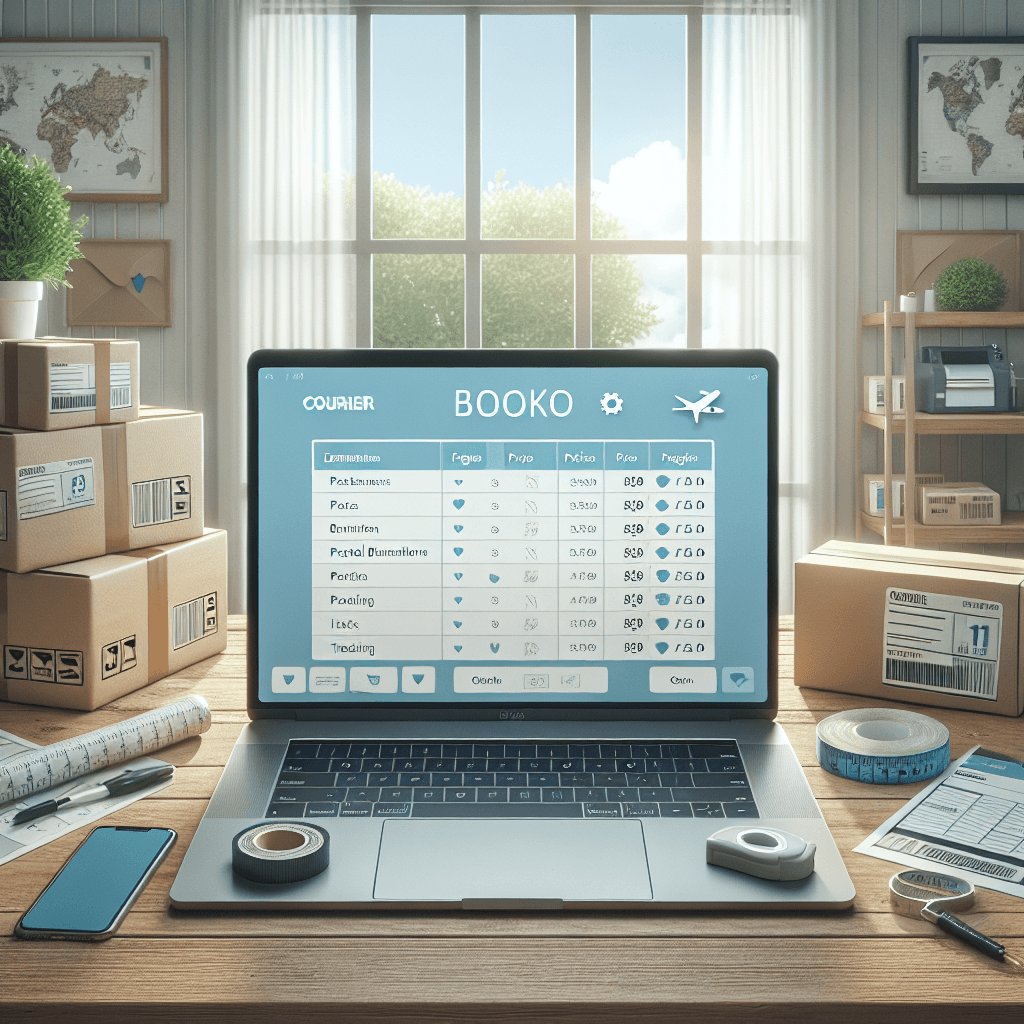
The typical booking journey on parcel comparison platforms is straightforward. You start by entering origin and destination details, plus the parcel’s weight and dimensions. Accurate measurements matter; small changes can influence available services and prices. After submitting the details, you are presented with a list of courier options, each with estimated delivery windows and a clear cost breakdown. Filters let you prioritize criteria such as speed, price, or added features like signature on delivery. If you want a quick overview of how different carriers stack up, many users consult these lists to compare courier prices before selecting a service. Once you choose a service, you will add recipient details and confirm the parcel description. Labels are usually generated immediately. Some couriers support paperless or QR‑code drop‑off, while others require you to print and attach labels securely. If a collection service is available for your address, you can book a pickup window; otherwise, you may be directed to nearby drop‑off points. Both approaches are useful: collections are convenient when you cannot travel, and drop‑off can be faster if you are already out running errands. Tracking typically begins after the parcel is in the courier’s hands. You can follow updates through the booking platform or directly with the carrier using a tracking number. Notifications, if turned on, help you stay informed of key milestones such as acceptance at the depot or attempted delivery. For added assurance, platforms usually provide optional parcel protection at checkout. This is an elective add‑on and may be helpful for higher‑value items; review coverage details carefully to ensure it matches your needs. If you are shipping internationally, expect an extra prompt for customs information. You will usually provide a clear description of contents, item values, and the reason for export (such as sale, gift, or return). Completing these forms accurately supports smoother clearance. Some destinations require additional documentation, so it is wise to check local regulations before finalizing your booking. While the platform streamlines the process, you remain responsible for truthful declarations and adherence to the courier’s prohibited and restricted items lists. For frequent senders, features like address books, saved parcel presets, and invoice history can make future bookings faster. Business users may also benefit from integrations with marketplaces or e‑commerce tools, helping consolidate shipments in one dashboard. Together, these elements aim to create a consistent, repeatable workflow that reduces the administrative time between order and dispatch.
How to choose and prepare well
A smooth delivery starts before you book. Begin by measuring your parcel accurately with a tape measure and a reliable scale. Note length, width, height, and weight in the units requested by the platform. This helps avoid surcharges that can occur when a parcel is heavier or larger than declared. Next, pack items with protection suitable for their fragility. Use a sturdy outer box, fill voids with cushioning to limit movement, and tape seams securely. Affix the label on a flat surface and keep it unobstructed; if the weather is wet, consider a plastic wallet to protect the barcode. Choosing a service is about matching priorities to available options. If cost is the main factor and delivery time is flexible, a standard service often makes sense. If time matters, look for expedited or next‑day options that fit your schedule. Consider whether a collection or drop‑off is more convenient and check cut‑off times for same‑day handover. When sending items that require proof of delivery, opt for signature confirmation. For higher‑value contents, review optional protections offered during checkout and confirm what is covered. International shipments deserve extra attention. Write clear, specific item descriptions on customs forms, avoid ambiguous terms, and ensure declared values match any invoices you include. Different countries have different restrictions, so verify that what you are sending is permitted. When possible, include item codes or product identifiers that aid recognition. Keep recipient contact information accurate—phone and email—so carriers can reach the recipient if needed for customs clearance or delivery coordination. Once you have booked, track the parcel regularly. If you see a status you do not understand, check the carrier’s glossary or support pages for an explanation before raising a query. Many delays resolve without intervention, but contacting support can help when scans stop updating for an extended period. For frequent senders, standardizing box sizes and saving parcel presets can reduce errors and speed up bookings. If you manage multiple orders each day, setting aside a simple packing station with boxes, tape, labels, and a scale can improve consistency. When you are ready to make a booking or explore services in more detail, it is straightforward to head to the platform’s official site and begin with a quick quote. Take a few minutes to read service descriptions and any notes on prohibited items, dimension limits, and available drop‑off locations in your area. A little preparation up front often translates into a smoother delivery experience later.
Key takeaways and next steps
Parcel booking platforms bring together multiple courier options in one place, helping you weigh price, speed, and convenience without visiting multiple sites. By entering accurate parcel dimensions, choosing a service that aligns with your priorities, and preparing packaging carefully, you can reduce avoidable delays and make tracking more predictable. Optional features like collection, parcel protection, and signature on delivery provide additional flexibility and control when needed. For domestic shipments, the process is usually quick: gather dimensions, compare services, print a label (or use a supported QR code), and hand over the parcel at a drop‑off point or scheduled collection. International deliveries add a step for customs information, so allow a bit more time to complete forms accurately. If you send parcels frequently, saved presets, address books, and order histories can streamline each new booking and improve record‑keeping. In short, platforms like parcel2go.com offer a practical route to organizing shipments with less effort. Begin with a clear understanding of your parcel and destination, review the available services, and select the option that best fits your budget and timeframe. With a few careful steps, you can move from quote to collection—or drop‑off—to delivery with confidence and clarity.