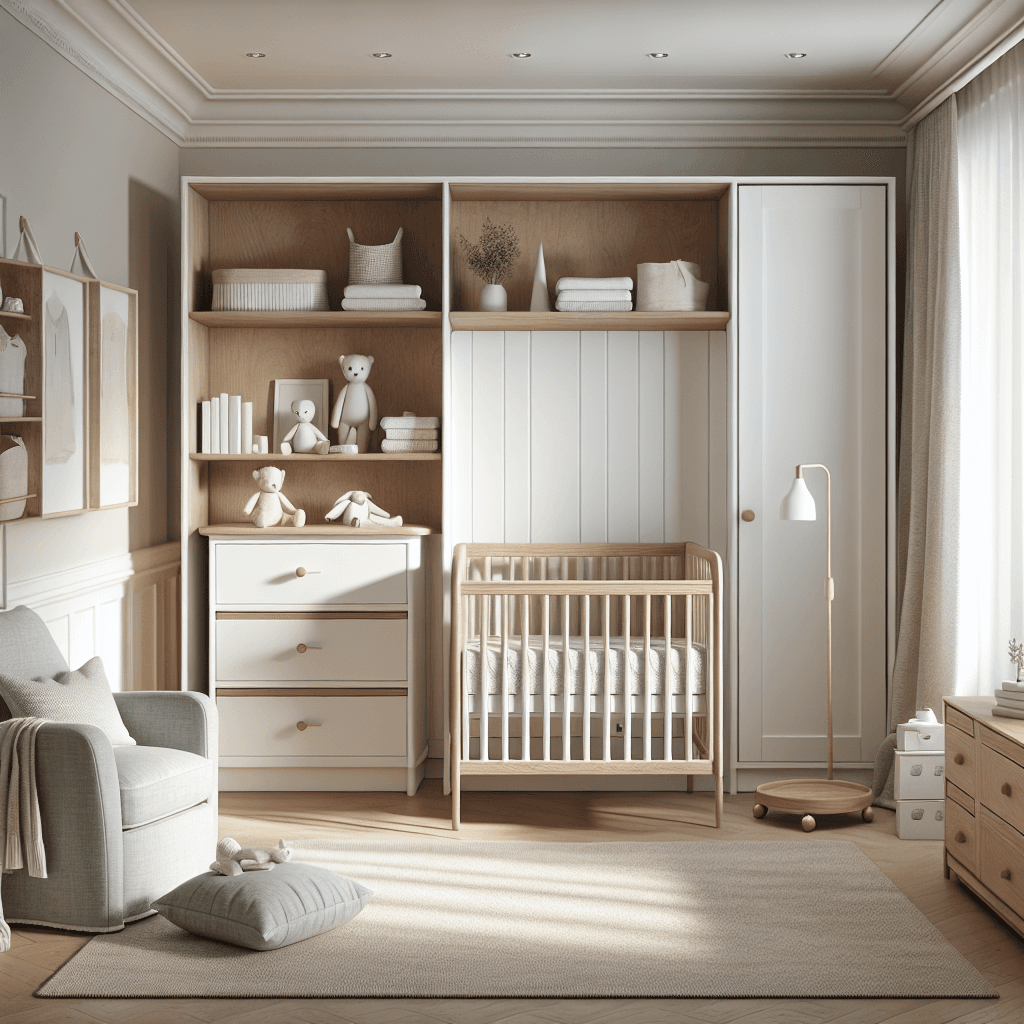
Planning a safe nursery
Setting up a nursery is one of the most meaningful projects many families take on in the kids and babies category. Beyond choosing colors and themes, the essential decision is how to select furniture that supports safety, day‑to‑day practicality, and long‑term value. Cot beds, mattresses, dressers, and wardrobes must work together to provide a calm, functional space that adapts from newborn months into toddler years. The challenge is knowing which features truly matter, what to measure before ordering, and how to balance design with durability and compliance. That’s where clear, product‑led guidance becomes useful, especially from brands focused on nursery needs. In the UK, families often look for sturdy construction, easy‑to‑clean finishes, convertible designs, and thoughtful storage details that help keep essentials within reach without cluttering the room. As you explore the market, you’ll find a variety of approaches: some ranges emphasize solid wood and timeless styling, others lean into modular pieces that evolve with your child. Browsing curated collections on boori.co.uk can help you compare these philosophies side by side. A good starting point is the cot or cot bed, since it anchors the layout and influences choices like mattress size, bedding, and the placement of dressers or nursing chairs. Look for simple, robust mechanisms for mattress height adjustments and for conversion kits that transform a cot bed into a toddler bed when the time is right. Consider finishes that are smooth and easy to wipe down, and be mindful of materials and build quality that support everyday use. As you plan, think beyond the first six months: how storage will accommodate growth spurts and changing routines, how the dresser height feels during frequent changing times, and how the wardrobe will manage both tiny baby essentials and the varied clothing of later years. By weighing safety, practicality, and adaptability from the outset, you set up a nursery that feels supportive and reassuring as your family grows.
Key features and materials
When comparing nursery furniture in detail, a few practical checkpoints can simplify your decision. For the cot or cot bed, focus on solid, stable construction and well‑finished edges. Mattress height adjustability is particularly useful: higher positions ease your back during the newborn phase, while lower settings add security as your baby becomes more mobile. Many UK families choose cot beds sized to take a larger mattress from the start, which can later convert to a toddler bed; this helps extend the lifespan of the purchase and keeps the room’s look cohesive as needs change. Slat spacing and sturdy rails are important considerations; ensure the design provides secure containment while allowing good visibility and airflow. Some models include protective teething rails to help preserve the finish over time. For mattresses, a firm, flat surface that fits the frame snugly is essential; a common rule of thumb is that there should be no more than a very small gap around the edges—often described as no more than the width of two fingers. Many parents also use a breathable, well‑fitting protector for easier cleanup during night‑time changes. Materials and finishes play a major role in day‑to‑day comfort and upkeep. Solid wood frames can provide a reassuring feel and long‑term durability, while engineered panels can lower weight and add stability where needed. Look for low‑maintenance finishes that wipe clean easily. If sustainability is a priority, check for responsibly sourced timber and any third‑party emissions or material certifications that the brand may offer. Dressers with removable changing tops can reduce the number of separate pieces you need, and deeper drawers help keep nappies, clothes, and blankets well organized. Wardrobes with adjustable shelves and rails adapt as clothing sizes change, and soft‑close hardware can be helpful during quiet nighttime routines. Finally, pay attention to assembly and aftercare: clear instructions, labeled parts, and accessible customer support make the process smoother. Delivery options, spare parts availability, and compatible add‑ons—like guard rails for toddler conversion—can further guide your selection. If you want to compare specifications before committing, browsing a product page to see features will help you confirm measurements, finish options, and what’s included.
From shortlist to setup
Once you have a shortlist, map your nursery on paper or with a simple room‑planning app. Measure the cot or cot bed footprint, allowing comfortable access on at least one long side for settling and changing bedding. Place the dresser where you can reach essentials without stretching, and ensure you can open wardrobe doors fully without blocking walkways. Double‑check door swings, skirting profiles, and radiators, which can affect how furniture sits against walls. Many parents assemble the cot first so they can visualize the remaining space and make confident decisions about chair placement and lighting. Delivery timelines matter, especially if you want the room ready well before due dates. Keep boxes dry and flat until assembly, and read instructions thoroughly before you begin. If included, use wall‑anchoring hardware for taller pieces to improve stability once the child is on the move. After setup, periodically check fasteners and moving components as part of routine upkeep. For everyday care, follow the brand’s cleaning guidance: generally, use a soft cloth and mild solutions, and avoid abrasives. When the time comes to convert a cot bed, review steps before you dismantle anything and keep all small parts safely stored. Some families plan a gradual transition by introducing the toddler guard rail first, then moving to the full toddler configuration later. As your child grows, reconsider storage: dividers in drawers, extra shelves in wardrobes, or a compact bookcase can prevent the area from becoming cluttered. If you plan to reuse furniture for a sibling or pass it on, retain your assembly manual and any spare hardware, and inspect the pieces for wear before reassembly. For warranty terms, spare parts requests, or to confirm compatible accessories, you can refer to the brand’s resources on the official site. Clear, up‑to‑date information streamlines decisions and helps you feel confident that what you bring into the nursery aligns with your expectations for safety, function, and longevity.
Summary and next steps
Choosing nursery furniture is ultimately about creating a safe, practical space that adapts to your family’s routine. Start by centering your plan on the cot or cot bed, then match a firm, well‑fitting mattress and storage that keeps everyday items within easy reach. Materials, finishes, and adjustable features are the details that make daily care easier, while convertible designs support long‑term use. Before ordering, confirm measurements, check delivery lead times, and plan assembly, anchoring, and maintenance so everything goes smoothly. If sustainability, certifications, or specific accessories matter to you, review product pages carefully to confirm what’s included and which add‑ons are compatible. Brands like boori.co.uk focus on nursery‑ready solutions that blend sturdy construction with calm, contemporary styling, which can simplify the decision process. With a measured approach—comparing features, verifying fit, and planning the layout—you can set up a nursery that feels organized from day one and continues to work well as your child grows.