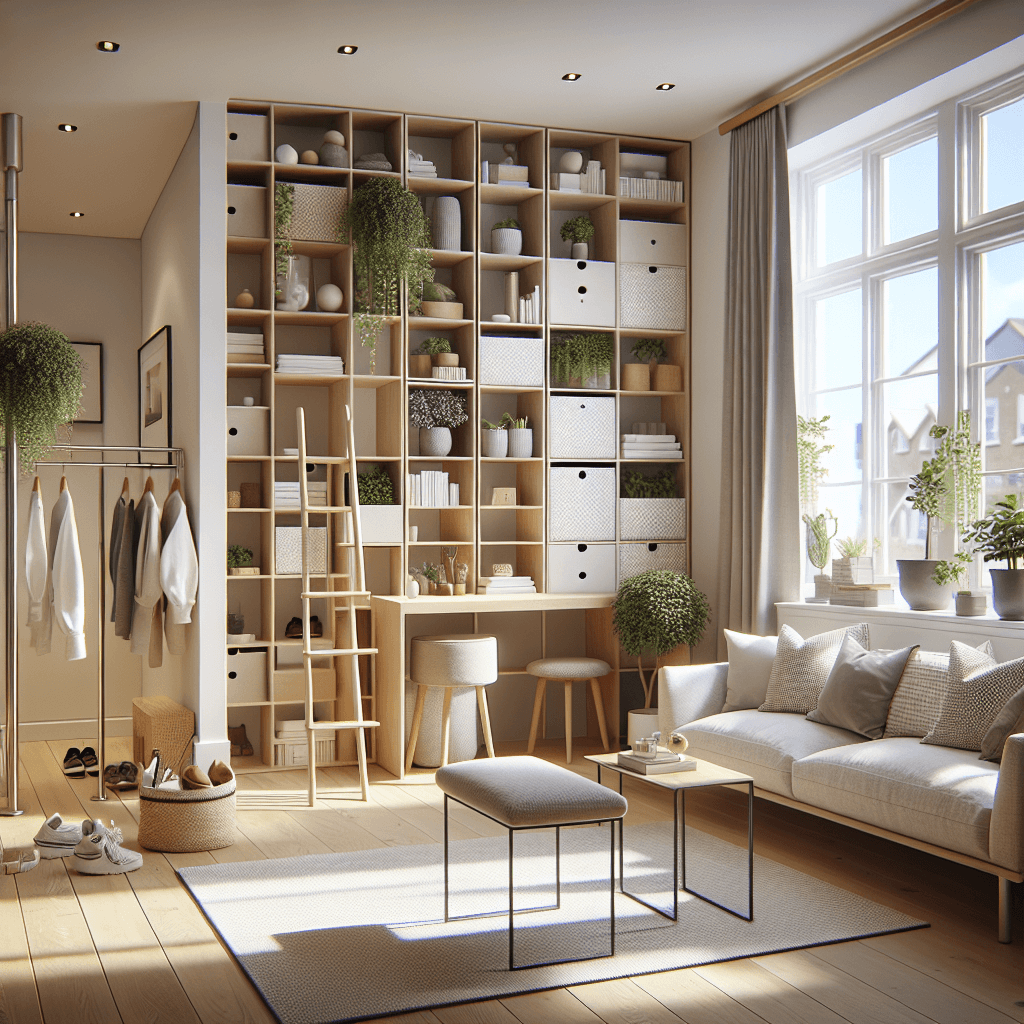
Why flexible storage matters
Homes are asked to do more than ever. Living rooms double as offices, bedrooms become mini gyms, and spare corners turn into storage hubs. In the home and garden category, the challenge is not only finding room for what you own, but doing it in a way that still feels calm and inviting. That’s where flexible, space-savvy furniture and storage make a real difference. Instead of relying on a few bulky units, you can combine compact, modular pieces to scale with your space and adapt whenever your needs change. The result is a home that works harder without looking busy. A practical way to start is by pairing everyday essentials with concealed storage. Think ottoman benches that hide throws and games, side tables with shelves for chargers and paperbacks, and slim shoe benches that corral footwear in the hallway. Taller items—like ladder shelves and narrow bookcases—use vertical space to keep surfaces clear. Meanwhile, mobile pieces such as rolling utility carts bring storage to where you need it most, whether that’s the kitchen for morning coffee supplies or the home office for printing essentials. Compact clothes rails and cube storage also help transform small bedrooms or spare nooks into organised zones without permanent carpentry. For UK households balancing rental restrictions or simply seeking a low-commitment setup, freestanding systems are particularly useful. You can reconfigure them when you move or as your lifestyle evolves. Materials like steel frames, engineered wood, and bamboo offer a balance between durability and approachable style, and neutral finishes tend to blend in across rooms. At songmicshome.co.uk, you’ll find a wide mix of these solutions, from entryway units and closet organisers to laundry sorters and bathroom shelves. When planning your approach, consider three guiding principles: reduce visual clutter, make maintenance easy, and keep future changes in mind. Closed bins and baskets soften the look of open shelving while protecting contents from dust. Smooth, wipeable surfaces on frequently handled items—like coffee tables and carts—ease everyday cleanup. Most importantly, choose pieces that can shift roles over time: a cube shelf that holds office files today might display nursery books tomorrow. Flexible, modular choices are the foundation of a home that adapts gracefully.
Key features and use cases
Space-saving furniture works best when its materials and construction suit how you actually live. A slim console table or shoe bench in the hallway should be sturdy enough to handle daily traffic, while compact ladders or tall shelves benefit from wall anchoring for added stability. Fabric drawers or foldable boxes keep seasonal items contained without hogging floor space, and under-bed containers can capture bulkier bedding or off-season clothing. In living areas, a storage ottoman provides a soft perch with hidden capacity for board games, remotes, or extra cushions. If you prefer open display, ladder shelves emphasize vertical storage and a lighter profile, making small rooms feel less crowded. Bedrooms and closets gain the most from modular systems. A freestanding clothes rail with bottom shelves can extend a wardrobe without requiring drilling, while cube storage allows you to assign a dedicated spot for shoes, accessories, or folded knitwear. Consider a mix of open cubes for items you reach daily and lidded boxes for those you access weekly. For bathrooms, moisture-tolerant shelving and rolling carts keep towels, toiletries, and cleaning supplies organised; a slim cart can slide between a sink and wall to use previously dead space. Home offices benefit from simple, durable desks paired with drawer units or small file cabinets. Cable trays, baskets, and desktop organisers maintain a clean surface area, which makes it easier to concentrate. If you frequently switch work zones, a utility cart or caddy lets you roll essentials from a dining table to a quiet corner. For kitchens, tiered racks and counter shelves help stack cups, jars, and bowls efficiently, and hooks inside cabinet doors make room for lids or towels. When comparing options at retailers such as songmicshome.co.uk, look for clear specifications: overall dimensions, shelf spacing, recommended load guidance, materials, finish, and any anti-tip hardware included. If you’re browsing online, you can see features for storage benches, cube systems, and shelving lines to understand what fits your layout. Assembly requirements vary, so check whether tools are included and review customer images to assess color and scale in real homes. For a cohesive look, consider keeping a consistent palette—light wood and white for an airy feel, or black frames with walnut tones for a more defined, modern contrast. With the right mix, you can streamline surfaces, open up floor area, and make daily routines more efficient.
Planning and setup steps
Good storage begins with a clear overview of what you own and how you use it. Before buying anything, measure your room, note door swing and window placement, and sketch where items naturally accumulate—shoes near the entry, mail on the console, cables around the desk. Use painter’s tape on the floor to outline potential furniture footprints; this quick test helps you gauge circulation and ensures you can still open drawers and doors. For tall units, confirm ceiling height and check for skirting boards that might affect flush placement. Next, group your storage by function and frequency. Everyday items should be easy to reach without bending or using a step stool; occasional items can go higher or lower. Assign a home to each category: a shoe bench with two tiers for daily pairs and a lidded box for seasonal boots, a desk drawer for stationery and a cable tray for chargers, a bathroom cart for towels with baskets for small bottles. If you have multi-purpose rooms, choose pieces on wheels or lightweight modular units that are simple to rearrange. Finish selection matters more than it seems. Matching wood tones or frame colors across rooms makes your home feel cohesive even if furniture styles vary. If your space is compact, lighter finishes reflect more light, and open designs, like ladder shelves, maintain a sense of depth. Plan for maintenance: smooth finishes wipe clean easily, while removable fabric bins can be aired out or replaced. Safety should also be part of setup—use anti-tip kits for taller units where recommended, place heavier items on lower shelves, and balance loads to avoid wobble. Once you have a plan, compare specifications, verify measurements against your tape outlines, and review product images for scale. Many retailers provide assembly guidance and care tips, and the official site for songmicshome.co.uk typically lists materials and dimensions to help you decide. When your items arrive, assemble in the room where they will live, tighten hardware gradually and evenly, and keep manuals for future adjustments. Over time, refine your system: rotate seasonal items, label bins if sharing with family, and re-home rarely used belongings. With thoughtful planning and a few versatile pieces, small spaces can feel tidy, comfortable, and ready for whatever your day brings.
Recap and next steps
Space-saving storage is less about hiding everything and more about creating a smooth rhythm for everyday life. By mixing compact, modular furniture with a few concealed options, you can keep essentials close, reduce surface clutter, and maintain a cohesive look across rooms. Songmicshome.co.uk provides a wide range of freestanding solutions—shoe benches, cube units, rolling carts, ladder shelves, and ottomans—that suit renters and homeowners alike, especially when permanent changes are off the table. The key is to measure first, plan zones around how you actually live, and pick materials and finishes that support easy care and long-term flexibility. As you compare options, focus on the basics: dimensions, stability, recommended load guidance, materials, and assembly requirements. Choose a palette that complements your decor, use vertical space to free up floors, and apply simple safety steps like anchoring where appropriate. After setup, fine-tune your system by rotating seasonal items and adjusting bins and shelves as habits evolve. With a practical plan and versatile pieces, you can transform compact rooms into orderly, welcoming spaces that adapt gracefully over time.