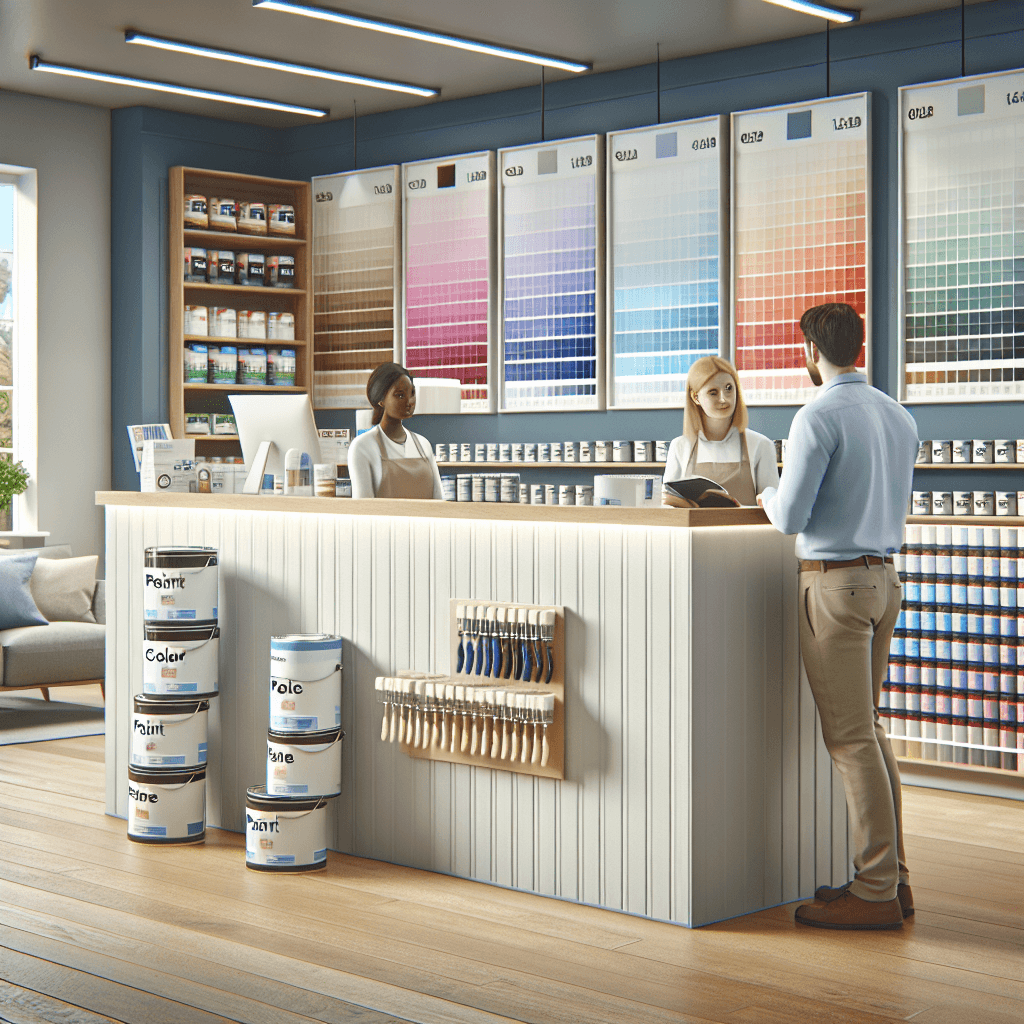
Why paint choices matter
Refreshing walls, woodwork, or exterior surfaces is one of the most effective ways to lift a space in the home and garden category, but the success of any paint job starts well before a brush touches a surface. The right product, finish, and preparation make the difference between a result that looks good for a season and one that holds up year after year. Homeowners often face a maze of decisions: choosing between matt, eggshell, satin, or gloss; deciding on washable or scrubbable formulations; understanding when to use primers or undercoats; and navigating colour selection tools. Balancing durability, appearance, and budget adds further complexity, especially when projects involve multiple rooms or both interior and exterior surfaces. Having a reliable one-stop destination for paints, tools, and advice helps simplify these choices. Retailers with specialist ranges and clear guides can reduce guesswork, ensure compatible systems across primers and topcoats, and streamline ordering for delivery or collection. In the UK, trade-focused stores that also serve capable DIYers can be particularly helpful because they stock robust products, offer colour-matching services, and provide straightforward technical support. A good example is duluxdecoratorcentre.co.uk, which many users turn to for consistent product lines, data sheets, and dependable service models. Before purchasing, it is worth mapping your whole project: identify substrate types, note existing coatings, and assess the environment. Kitchens and bathrooms need moisture-resistant, washable finishes; living rooms may benefit from flatter, low-sheen looks; and high-traffic hallways demand stain resistance and quick cleaning. Exterior joins and masonry require weatherproof systems designed for UV and moisture exposure. Colour selection is equally important, and small test areas under the lighting conditions of your home can prevent surprises. Finally, consider the broader logistics, including how much paint you need, the order of rooms, and drying times. Planning and product selection together lead to a smoother process and more predictable results, setting the stage for a finish that looks intentional, complements furnishings, and stands up to real-world use without constant touch-ups.
Finishes, prep, and buying details
When choosing a paint finish, align sheen level with use and appearance goals. Matt and ultra-matt finishes downplay surface imperfections and create a refined look in living spaces, while washable matt or durable matt variants offer extra resilience for busy family areas. Eggshell and satin provide a gentle sheen that cleans easily, making them suitable for kitchens, bathrooms, and trim; gloss delivers a harder, reflective surface often used on doors and skirting where impact resistance matters. For wood and metal, look for systems that combine the right primer or undercoat with matching topcoats to ensure adhesion and uniform sheen. Bare timber benefits from stain-blocking or knot-sealing primers, particularly for resinous softwoods. On previously painted surfaces, a light sand to key the surface and a thorough clean with a suitable degreaser can dramatically improve outcomes. Coverage calculations avoid mid-project delays. Most interior wall paints cover approximately 10–12 square metres per litre per coat, but check the specific product data sheet and factor in at least two coats for even colour and durability. Porous or previously unpainted surfaces may absorb more paint, while darker colours sometimes need additional coats to reach full opacity. Ventilation and temperature affect drying and recoat windows, so review the guidance on the tin and allow sufficient time between coats for the finish to cure. Tools also influence results. A quality roller matched to surface texture reduces stipple and speeds up application, and decent synthetic brushes hold a crisp edge for cutting in around ceilings and trim. For exterior masonry, look for weatherproof formulations designed to resist cracking and flaking, and clean surfaces thoroughly to remove dust, algae, and chalking before painting. Online stores that specialise in decorating can simplify sourcing. Product pages with technical documents, availability indicators, and tinting options help you order confidently, and click-and-collect often suits weekend projects or tight schedules. Where promotions are available, it can be useful to explore offers to assemble paint, rollers, trays, masking, fillers, and sealants in one basket. Many retailers also focus on responsible choices, including low-VOC lines, refill or bulk sizes for fewer containers, and guidance on cleaning tools with minimal waste. By weighing finish, substrate, coverage, and logistics in one plan, you set yourself up for a consistent, long-lasting result.
Planning and completing your project
A structured sequence is the simplest way to turn decisions into a successful outcome. Start with inspection and repair. Fill holes and hairline cracks with a compatible filler, allow it to dry fully, then sand flush. Spot-prime repaired areas, glossy patches, or stains, and address knots or tannin-prone woods before any topcoat. Wash walls and trim to remove dust and residue, then protect floors and furniture with clean dust sheets and mask edges you want to keep sharp. Next, test colour and sheen in situ. Paint a card or discreet section of wall and observe both daylight and evening conditions, as artificial light can warm or cool the perceived tone. Confirm the finish by lightly wiping the sample after it cures; a durable matt or soft sheen that cleans up without burnishing can be more practical in hallways and children’s rooms. When you’re confident in the system, create a simple schedule. Tackle ceilings first, then walls, and finish with trim to minimise overlap marks. Maintain a wet edge, work systematically from light to dark colours, and check manufacturer recoat times. Adequate ventilation and a stable temperature range help the film cure as intended. For exteriors, plan around dry spells and avoid painting in direct, intense sun or when dew and frost are likely. Ordering ahead helps you keep momentum. Check stock levels, allow for an extra litre or two to cover touch-ups, and assemble all accessories—rollers in the right nap for your surface, a sturdy extension pole, quality brushes, masking tape, a caulk gun, and surface cleaners. If you prefer in-person advice or a quick pickup, store networks linked to online catalogues make it easy to reserve and collect. If you need a reminder of product details, the data sheets on retailer sites outline coverage, preparation, and compatibility in one place. For hassle-free navigation and support, many users start on the retailer’s official site, then choose delivery or click-and-collect according to project timing. Once the painting is complete, label leftover tins with room names and dates, store them upright in a temperate place, and keep a small jar of the final colour for quick touch-ups. Gentle cleaning and regular inspection of high-traffic areas will extend the life of your finish and make the next refresh easier.
Key points and next steps
A smooth home painting project pairs the right product with careful preparation and realistic scheduling. Matching finish to function keeps rooms looking their best, while solid surface prep and compatible primers provide the foundation for a durable topcoat. Coverage estimates, weather awareness, and ventilation all affect how well the paint cures, and good tools contribute as much to the final look as the paint itself. Retailers like duluxdecoratorcentre.co.uk make the process easier by offering specialist ranges, colour services, and clear technical information, along with practical options for delivery or collection. If you are planning an interior refresh, outline your rooms, surfaces, and finishes, test colours under your lighting, and order everything in one go so you can maintain momentum. For exterior work, time your job around stable weather and prepare thoroughly to support long-term durability. By organising your project in these simple stages, you reduce uncertainty and achieve a clean, consistent result that suits how you live in your space. When you are ready to gather supplies or check product details, explore reputable sources, review data sheets, and choose the route—online or store pickup—that best matches your schedule.