Why outdoor power tools matter
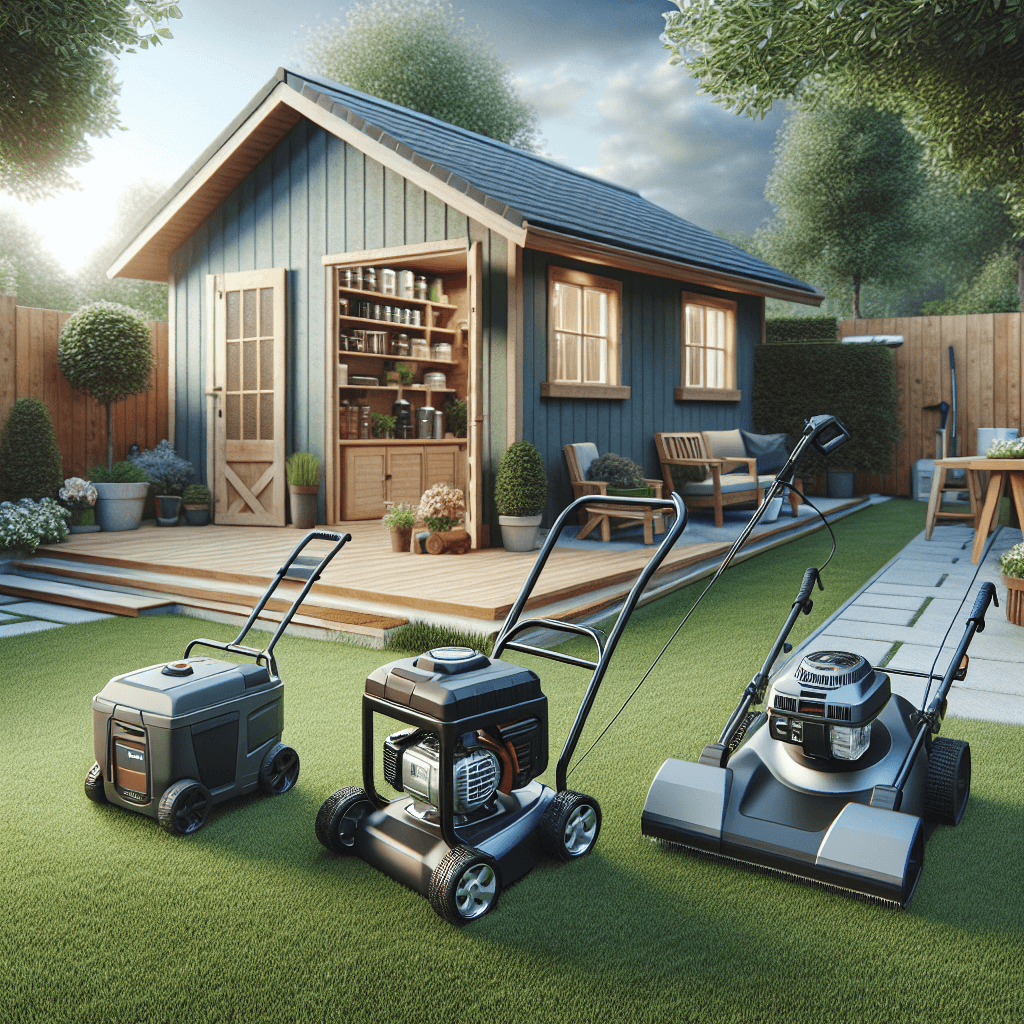
Whether you’re restoring a storm-hit garden, taming fast-growing grass, or cleaning patios after winter, the right outdoor power equipment can turn demanding jobs into manageable weekend tasks. In the home and garden category, three product families tend to anchor most routines: generators, lawn mowers, and pressure washers. Each addresses a common household challenge—backup electricity, regular lawn care, and efficient cleaning—yet the best choice often depends on property size, local conditions, and how frequently you intend to use the tools. Homeowners exploring options at hyundaipowerequipment.co.uk will find that understanding a few core specs helps narrow the search and avoid over- or under-buying. Generators are frequently purchased for peace of mind during outages, for running tools in outbuildings, or for power on a campsite. Here, it’s important to distinguish between conventional open-frame models—often robust and cost-effective—and inverter generators, which tend to offer smoother power delivery and lower noise levels, making them useful for sensitive devices and residential settings. Capacity (measured in watts), runtime, fuel type, and socket configuration are the backbone specs, but also consider portability and storage footprint if space is tight. Lawn mowers, meanwhile, vary widely by propulsion and power source. Petrol models can suit larger plots and tougher grass, while corded electric mowers work well for small, accessible lawns with nearby power. Cordless battery mowers strike a balance, eliminating cords while keeping noise and maintenance comparatively low. Beyond power, deck size and cutting height range shape how quickly and neatly you can mow, and whether you can adapt to seasonal changes in grass growth. Pressure washers round out the trio with a focus on cleaning efficiency. The interplay between pressure (expressed as bar or PSI) and flow rate (litres per hour) determines how effectively you shift grime from patios, fencing, vehicles, and garden furniture. Hose length, lance design, and accessory compatibility matter, too, because they influence comfort and coverage across different surfaces. As with any power equipment, think about storage, noise, and safety from the outset—selecting tools that fit your space and habits tends to deliver the most value over time. By aligning these fundamentals with your actual tasks, you set yourself up for a safer, more efficient seasonal routine.
Key specs and real-world choices
Choosing the right generator starts with an inventory of what you plan to run. Add together the running wattage of your core devices and allow headroom for starting surges—particularly for fridges, compressors, and power tools. If you mainly need to keep essentials going (router, lights, a small freezer), a compact inverter unit may combine adequate capacity with quieter operation and portability. For larger household loads or extended outages, look at higher-capacity models with bigger tanks and longer runtimes. If you’re evaluating features, you can see features that include low-oil shutdown, clear fuel gauges, covered outlets, and wheel kits—useful details that improve day-to-day practicality. Keep in mind storage location, ventilation needs, and cable management so the setup remains safe and tidy. For lawn mowers, yard size and grass type drive the decision. A wider deck can reduce mowing time on medium to large lawns, while compact decks help in tight spaces. Adjustable cutting heights are essential to adapt to seasonal growth; raising the deck in hot, dry spells can protect grass health, then lowering it during peak growth helps maintain a neat finish. Consider whether self-propelled drive will help on sloped terrain and how heavy the mower is when negotiating steps, sheds, or narrow gates. In cordless ranges, battery voltage and amp-hour rating determine both cutting power and potential runtime; sharing batteries across compatible tools can be cost-effective if you plan a future toolkit. Look closely at grass management, too—bagging for a clean look, mulching to return clippings as fine nutrients, or side discharge for rapid rough cuts. Pressure washers call for a balance between pressure and flow. Higher pressure helps break stubborn dirt, while a solid flow rate assists in washing debris away. For patios and block paving, a mid to higher pressure paired with patio cleaners or rotary nozzles can accelerate results and reduce streaking. For vehicles and garden furniture, start with lower-pressure nozzles and work up as needed to protect finishes. Check hose and cable length for comfortable reach, onboard storage for accessories, and detergent systems for targeted cleaning jobs. Durability aspects—such as pump design and metal lances—often pay off if you use the washer frequently. Finally, consider water source logistics: when mains access is tricky, compatible suction hoses can help draw water from containers, within safe and recommended usage guidelines.
Practical buying steps and setup
Before you buy, map your tasks across a typical season and write a quick checklist. For generators, note the essential appliances you want to support, the longest likely outage you’ve experienced, and where the unit will sit during operation. A safe, ventilated outdoor location, weather protection, and an appropriate extension lead strategy help keep things orderly. For lawn mowers, measure your lawn’s widest span and the narrowest gateways to confirm deck width and storage fit. Think about the time you usually reserve for mowing; a wider deck and self-propelled drive may save effort on larger lawns. For pressure washers, list surfaces and frequency of cleaning—patios twice a year, cars weekly, fencing each spring—and match accessories accordingly to avoid overbuying. Maintenance planning is equally important. Keep fresh fuel and stabilizer on hand if your generator sits idle for long periods, and run it periodically according to the manufacturer’s guidance. For mowers, sharpen or replace blades as needed to maintain a clean cut; clean the deck to prevent buildup; and, if cordless, store batteries in a cool, dry place. With pressure washers, purge water before winter storage and inspect hoses and seals for wear. Sticking to a simple maintenance routine improves reliability and extends the life of your tools. Check after-sales support, warranty terms, and parts availability before committing. Clear manuals, accessible spares, and responsive customer service help across years of ownership. It’s wise to compare bundles that include spare batteries or accessories if you’re building out a garden toolkit, as these can reduce total cost over time. When you’re ready to refine options or confirm compatibility with your tasks, visit the official site and review specification sheets side by side. Safety considerations should stay front and center. Always operate generators outdoors and away from openings, use appropriate outdoor-rated cables, and never exceed rated loads. With mowers, wear eye protection and sturdy footwear, remove debris from the lawn first, and keep children and pets at a distance. For pressure washers, start with a wider spray at a sensible distance and test on a small area before advancing. Finally, plan clean, dry storage with adequate ventilation and easy access, so every tool is ready when the season calls.
Wrapping up your selection
If you begin with a clear picture of your property and priorities, it becomes easier to match the right equipment to the job. Generators provide assurance during outages or off-grid tasks, mowers keep lawns healthy and tidy, and pressure washers restore surfaces quickly and efficiently. The most reliable purchases usually come from balancing realistic capacity needs with convenience features you will use often—such as self-propelled drives on slopes, battery systems that share across tools, or quick-connect fittings that cut setup time. As you compare options, use published specifications and straightforward checklists: wattage, runtime, and outlets for generators; deck size, cutting heights, and drive type for mowers; and pressure, flow, and accessory compatibility for pressure washers. Keep an eye on storage, maintenance, and after‑sales support, because these practical details influence long-term satisfaction as much as headline performance figures. By approaching your purchase in this structured way—and considering what suits your space, schedule, and budget—you can shop confidently at hyundaipowerequipment.co.uk and assemble a dependable set of tools for year-round home and garden upkeep.