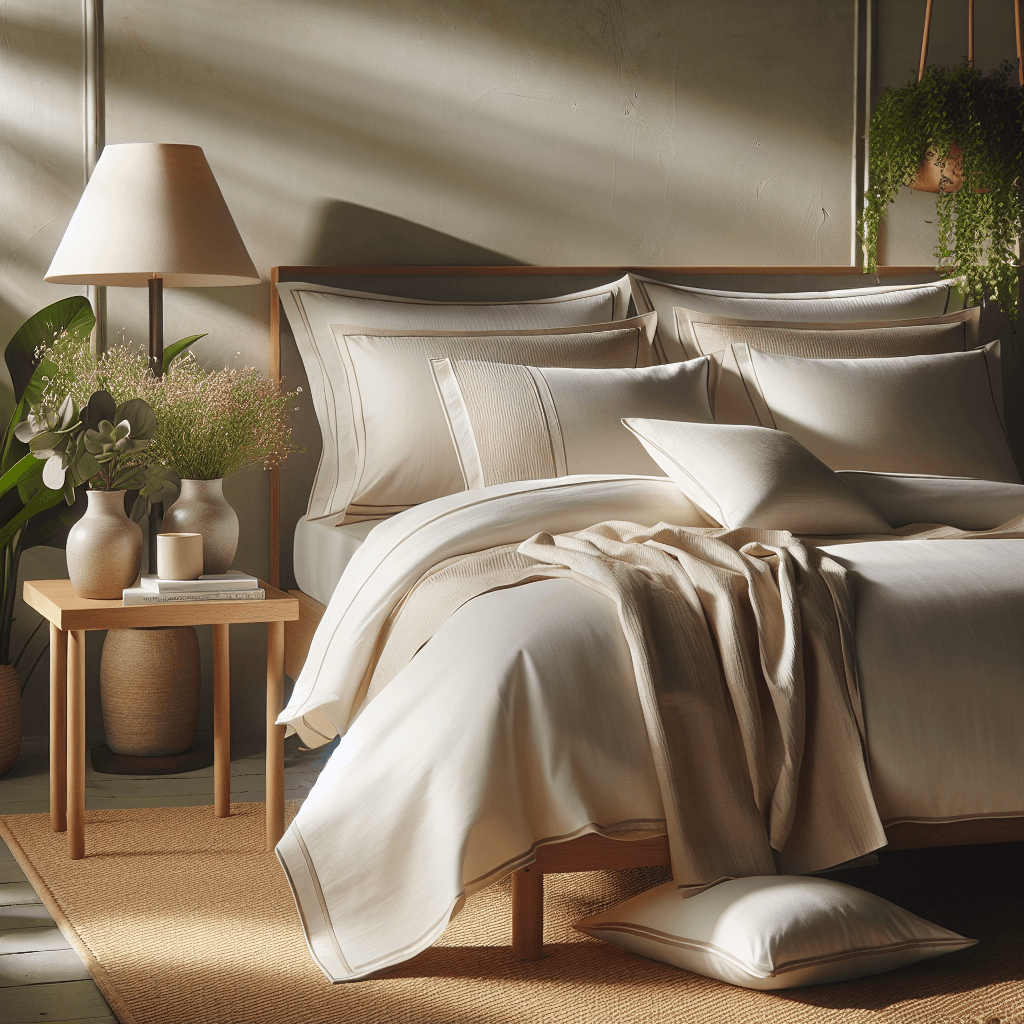
Why Egyptian cotton matters
The textiles you sleep on shape how your bedroom looks, feels, and functions, which is why Egyptian cotton often comes up in conversations about home and garden essentials. Known for its long staple fibers, Egyptian cotton can deliver a smoother hand, reliable durability, and a refined finish that many shoppers seek in sheets, duvet covers, and pillowcases. When you’re building a calm, cohesive bedroom—whether you prefer minimalist decor or layered textures—the right bedding becomes a practical foundation. Understanding material basics helps you shop with clarity rather than guesswork. Egyptian cotton refers to cotton grown in Egypt, where climate conditions support longer fibers. In practice, products marketed with this material can vary, and quality depends on several factors beyond the label, including staple length, yarn construction, weave, and finishing. If you’ve ever been confused by competing thread counts or whether percale or sateen is better, you’re not alone. The bedding aisle is full of numbers and terms, and it’s easy to focus on a single metric while overlooking the rest. Approaching the purchase holistically—material, weave, thread count, finish, size, and care—typically leads to better results. A practical way to start is to match fabric character to your climate and preferences. Crisp percale often feels cool and breathable; lustrous sateen tends to feel smoother and a touch warmer. Thread count can influence drape and density, but it’s most meaningful when paired with high-quality fibers and balanced construction. Paying attention to pocket depth ensures fitted sheets actually stay put on thicker mattresses with toppers. If dyes and finishes are a concern, look for products that disclose testing or certifications for chemical safety. On platforms like egyptianlinens.com, you’ll see a range of sets, separates, and accessories that make it easier to align specifications with your setup. Equally important is planned maintenance. Even premium fabrics benefit from gentle care: mild detergent, cool to warm water, and moderate drying protect fibers over time. This is particularly useful if you aim for a long refresh cycle between bedroom makeovers. With a few core concepts in place, you can filter options quickly and identify the bedding that fits your routine, decor, and budget without overpaying for features you may not need.
Weaves, thread count, and finishes
When comparing Egyptian cotton bedding, it helps to decode weaves first. Percale is a one-over/one-under structure that typically feels crisp and breathable with a matte finish—often preferred by warm sleepers or those in humid climates. Sateen, which uses a three- or four-over/one-under pattern, tends to feel silkier with a gentle sheen and a slightly denser drape that many find cozy in cooler rooms. Twill introduces a subtle diagonal line for added body, while jacquard brings woven patterns that add tactile interest without printing. All of these can be made from long-staple Egyptian cotton; the difference is in feel, appearance, and airflow. Thread count describes threads per square inch and can indicate fabric density, but it’s only one part of the quality equation. A balanced 300–500 thread count using long-staple cotton often achieves a good blend of softness, breathability, and durability for everyday use. Counts far above that range can be comfortable as well, but only when the yarns are genuinely fine and the construction remains breathable. Multi-ply yarns can inflate measured counts without improving performance, so it’s worth reading product details and reviews to understand how the fabric behaves in real bedrooms. Look closely at finishing. Mercerization can enhance color retention and luster; enzyme washing can soften hand feel; combed yarns remove shorter fibers for a smoother surface. If chemical sensitivity is a priority, check for disclosures such as independent textile safety testing. Colorfastness matters if you prefer deep hues or frequent laundering. For fitted sheets, confirm pocket depth and elastic design to match mattress height and toppers; a snug, continuous elastic typically helps sheets stay secure overnight. Seams, hems, and closure types—like envelope pillowcases and buttoned duvet covers—also contribute to day-to-day ease. Product pages that outline fiber origin, staple length, and weave give you a clearer picture of what you’re getting. Many shoppers compare a core percale set for summer with a sateen set for cooler months, rotating as temperatures change. If you want to see a full range of options side by side, you can explore bedding collections to review color palettes, dimensions, and care notes in one place. Beyond sheets, consider coordinating duvet covers and shams for a finished look; consistent fabric and color often create a more cohesive bedscape. For those furnishing guest rooms, value sets can streamline the process, while separates let you customize for unique mattress profiles.
Smart buying and care tips
Start by measuring. Mattresses vary widely, and toppers add height. Note the thickness and choose fitted sheets with pocket depth that exceeds your measurement by a small margin to accommodate tuck and movement. If you tend to sleep warm, lean toward percale or lighter-weight sateen; if you prefer a cocooned feel, denser sateen or a higher thread count percale may suit you. Select colors that coordinate with your existing furniture and natural light; lighter neutrals brighten a room, while deeper tones lend a tailored, hotel-inspired look. Next, align budget with durability. Long-staple Egyptian cotton is designed for longevity when properly cared for, so think in terms of cost per use rather than the ticket price alone. A balanced thread count with quality finishing can perform well over time. If you’re testing a new feel, start with pillowcases to sample texture and sheen before committing to a full set. Read product descriptions for closure types—envelope pillowcases are less likely to expose inserts, and ties inside duvet covers help keep comforters from shifting. Care extends the life of your bedding. Wash sheets before first use to remove residual finishing agents, then launder regularly with a gentle detergent. Cooler water and moderate heat or line drying limit shrinkage and help maintain fabric integrity. Avoid heavy fabric softeners, which can coat fibers; a brief tumble with wool dryer balls encourages softness without residue. Remove promptly to reduce wrinkles; for an ultra-smooth look, a light iron on cotton setting works well for pillowcases and the top hem of flat sheets. Store sets in a cool, dry place; keeping each set folded with its pillowcase saves time on laundry day. As you compare options, skim sizing charts, return windows, and care guidelines to ensure the product fits your routine. Many retailers outline this clearly; if you need more detail, visit the official site for specifications. On egyptianlinens.com, you’ll typically find sets and separates in a range of weaves, colors, and sizes that suit master suites as well as guest rooms. A simple plan—measure, match weave to climate, confirm thread count and finish, and set a care routine—streamlines the decision. With those steps, your bedding upgrade becomes a practical, low-stress project that supports the look and function of your home.
Key takeaways and next steps
Choosing Egyptian cotton bedding is easier when you focus on fundamentals rather than a single metric. Start with long-staple fibers, then decide between percale for a crisper, cooler feel or sateen for a smoother, slightly warmer hand. Consider a balanced thread count that pairs well with quality yarns and construction; evaluate finishing details like mercerization, combing, and stitching; and confirm pocket depth and closures that fit your mattress and sleeping habits. Care is straightforward: gentle detergent, cooler water, moderate heat, and prompt removal to limit wrinkles. If you’re outfitting a primary bedroom, a coordinated set can simplify design, while separates let you fine-tune feel and fit for specific mattresses or seasonal changes. Guest rooms benefit from versatile neutrals and durable weaves that hold up to regular laundering. Throughout your search, product pages that clearly state fiber, weave, and care details help you buy confidently. Egyptianlinens.com appears frequently in this space because it offers a range that aligns with these criteria, making it convenient to compare options. With these guidelines, you can narrow the field quickly and select bedding that supports both comfort and style. Treat your sheets as long-term essentials, pair weave to climate, and commit to simple care. That combination keeps your bedroom feeling fresh and welcoming without adding complexity to your routine.