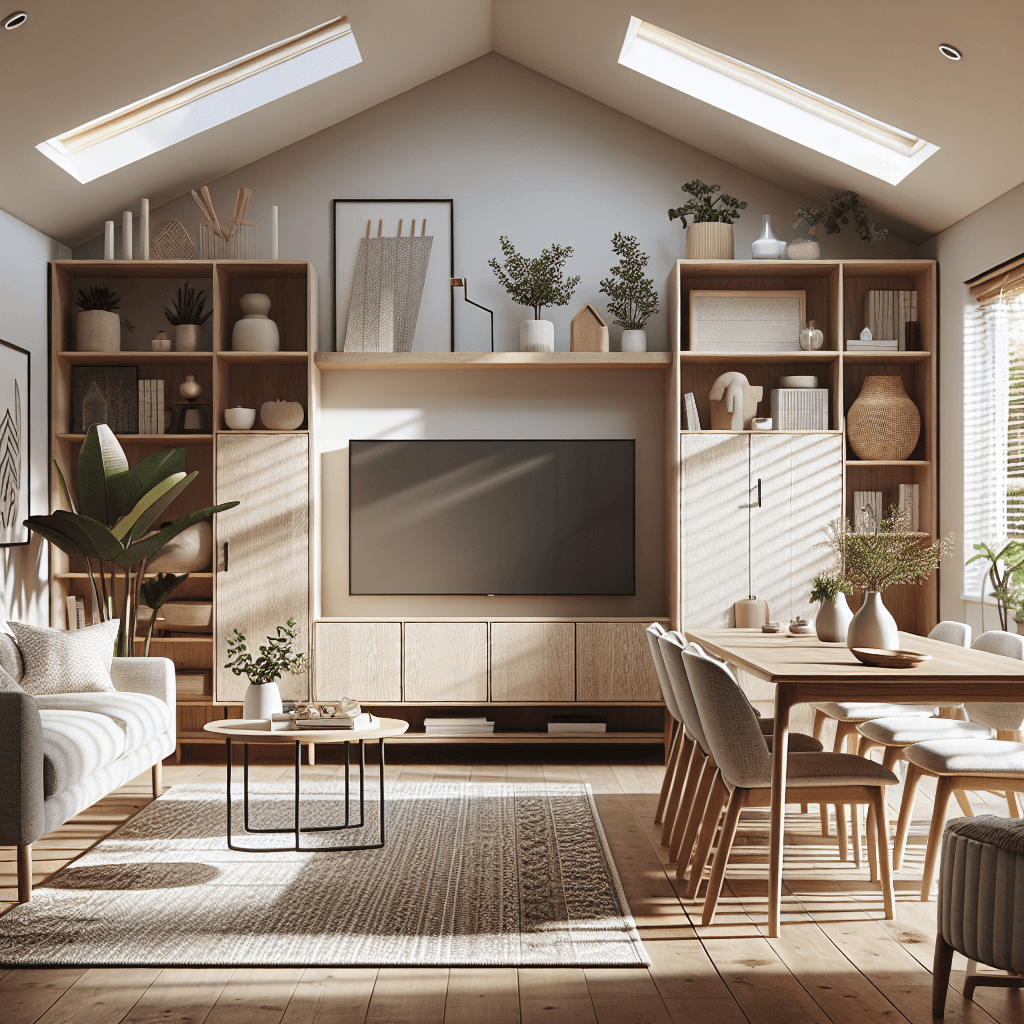
Why online furniture shopping matters
Shopping for furniture online has matured from a convenience into a practical, time-saving way to furnish homes of all sizes. In the home and garden category specifically, the breadth of choice, transparent specifications, and flexible delivery make it easier to match real-world needs with considered purchases. Whether you are moving into your first flat, remodelling a family home, or refreshing a single room, buying online allows you to compare sizes, materials, colours, and price points at your pace. Reputable retailers such as furniture123.co.uk have refined navigation, filters, and product detail pages to reduce uncertainty and help you make informed choices. That said, furniture is a long-term investment that must fit both the physical dimensions and the daily rhythms of your home. Photos alone can be persuasive, but the essentials—measuring your space, checking access routes, understanding finishes and maintenance, and reviewing delivery and returns policies—are what turn a good-looking piece into a successful purchase. Online shopping helps here: precise measurements, close-up imagery, and structured specs let you assess a sofa’s seat height, a dining table’s extension mechanism, or the storage capacity of an ottoman bed before you commit. You can also gauge typical lead times, find assembly information, and read guidance on caring for materials so your furniture continues to look and function as intended. Another notable advantage is breadth. From compact corner sofas that maximise smaller living rooms to extendable dining sets that host both weekday meals and occasional gatherings, online catalogues are designed to solve space and lifestyle challenges. You can filter by colour to unify a scheme, by materials to match existing finishes, or by price to stay on budget without compromising fundamentals like build quality. For many households, flexible delivery options—kerbside, room-of-choice, or scheduled delivery—are as important as the furniture itself, especially in buildings with limited lifts or narrow staircases. With careful planning and a methodical mindset, buying furniture online supports smarter decisions, reduces returns, and simplifies the path to rooms that feel cohesive, comfortable, and genuinely practical.
Key features and buying criteria
A thorough approach to features will sharpen your shortlists and minimise surprises on delivery day. Start with sofas, since they anchor living spaces. Frame construction matters: kiln-dried hardwood frames generally resist warping over time, while engineered woods can offer value when well-constructed. Suspension (webbing or serpentine springs) influences comfort and durability, and cushion fills—foam, fibre, or foam-and-fibre blends—determine feel and maintenance. Seat height around 45 cm suits most people; seat depth typically ranges from 50–60 cm for a supportive sit. If you prefer lounging, consider chaise modules or a deeper seat; in compact rooms, a tidy two-seater with slimmer arms maximises usable space. Removable cushions and washable covers simplify upkeep in busy households. Beds should be sized to UK standards for seamless bedding: Single (90 x 190 cm), Double (135 x 190 cm), King (150 x 200 cm), and Super King (180 x 200 cm). Slatted bases provide airflow; solid bases can feel firmer. Ottoman or drawer storage lifts functionality in smaller rooms—verify the opening direction and clearance around the bed. Headboard height affects both visual balance and comfort while sitting up. For mattresses, follow the retailer’s compatibility guidance for support and ventilation rather than assumptions, as combinations vary by design. Dining tables merit a balance of surface durability, leg placement, and size. Common heights hover near 75 cm; allow at least 60 cm width per place setting and 90 cm of clearance around the table for chairs and movement. Extendable designs help small homes host larger gatherings; check how the leaves store and lock. Materials affect both longevity and care: solid and veneered woods bring warmth; high-pressure laminates and ceramics can resist everyday wear with less maintenance. Chairs should complement seat height to maintain ergonomic comfort; test dimensions on a tape-marked floor to visualise spacing. Storage and case goods (wardrobes, sideboards, media units) rely on hinges, drawer runners, and interior configuration. Soft-close mechanisms add refinement, and adjustable shelves adapt as needs evolve. Finishes—from matte lacquers to oiled woods—determine cleaning routines; follow manufacturer guidance to preserve appearance. Increasingly, certifications like FSC for wood sourcing provide assurance around responsible materials. Online retailers surface these details clearly, and it’s easy to explore offers across sizes, colours, and price bands while keeping an eye on delivery options. Look for transparent delivery tiers (kerbside vs. room-of-choice), packaging notes, and assembly requirements to match your comfort level. If assembly is needed, pre-check the tool list, weight of components, and estimated time so you can plan accordingly.
Practical steps and next moves
Turn research into action with a simple plan. Begin by measuring your room, doorways, lifts, and stairwells. Then map clearances for everyday movement—walkways near 75–90 cm keep circulation comfortable. For living rooms, align the sofa to your focal point (TV unit, window, or fireplace) and measure the ideal coffee table gap, typically 40–50 cm. In dining areas, tape the table footprint and pull chairs back to simulate real use. Bedrooms benefit from a minimum of about 60 cm around the bed for easy access; where this isn’t possible, storage beds can offset limited wardrobes. Create a shortlist of three to five options per category by comparing dimensions, materials, finishes, and total costs including delivery. If two products look similar, scrutinise the frame construction, hardware quality, and surface finish. Read the care instructions; some fabrics are more forgiving of everyday spills, while others reward more careful maintenance. Keep an eye on lead times to align with move-in dates or renovations, and consider whether you prefer ready-assembled items or flat-pack designs you can manoeuvre through tighter spaces. Before ordering, confirm access logistics: measure the narrowest points on your route, note tight corners, and consider removing doors temporarily if needed. If you are unsure, contact customer support and provide dimensions for guidance. Many retailers offer detailed delivery windows, and planning for parking or lift bookings avoids delays. Once items arrive, inspect packaging, note any visible damage before signing, and assemble carefully following the manual. Work on a soft surface to protect parts, lay out hardware by step, and tighten fittings incrementally to keep pieces square. For ongoing satisfaction, stick to a maintenance routine aligned with each material. Vacuum fabric upholstery gently, rotate cushions to distribute wear, and protect wooden surfaces with coasters and felt pads. If your interior style evolves, replace easily swapped elements—throws, cushions, or dining seat pads—before larger investments. Retain packaging until you are certain you will keep the item; this simplifies returns if needed under the retailer’s policy timeline. When you’re ready to refine choices, galleries, customer photos, and specification PDFs are invaluable sources of clarity. Retailers like furniture123.co.uk typically provide rich imagery and clear measurements, and you can learn more about delivery services, assembly needs, and care guides directly on product pages. A calm, methodical approach—measure, compare, verify, then order—helps ensure every piece functions as beautifully as it looks once it enters your home.
Summary and takeaways
Buying furniture online works best when beauty and practicality meet. Start with accurate measurements of your rooms and access routes, then prioritise build fundamentals—frame materials, suspension, hardware, and finishes—so comfort, durability, and upkeep align with daily life. Understand delivery levels, assembly requirements, and returns timelines before ordering, and plan installation with enough space, time, and basic tools. For key categories, check the details that matter: seat height and depth for sofas, storage and base type for beds, and table clearance and leg placement for dining sets. Evaluate care instructions alongside look and price to avoid unexpected maintenance. Retailers in the home and garden space, including furniture123.co.uk, make this process simpler with transparent specifications, clear imagery, and flexible delivery options. Use those resources to compare a shortlist of designs, confirm lead times against your schedule, and build a room plan that supports how you live. With a step-by-step approach—measure, shortlist, verify, and then purchase—you can shop confidently, minimise returns, and assemble a cohesive, comfortable home that stands up to everyday use.