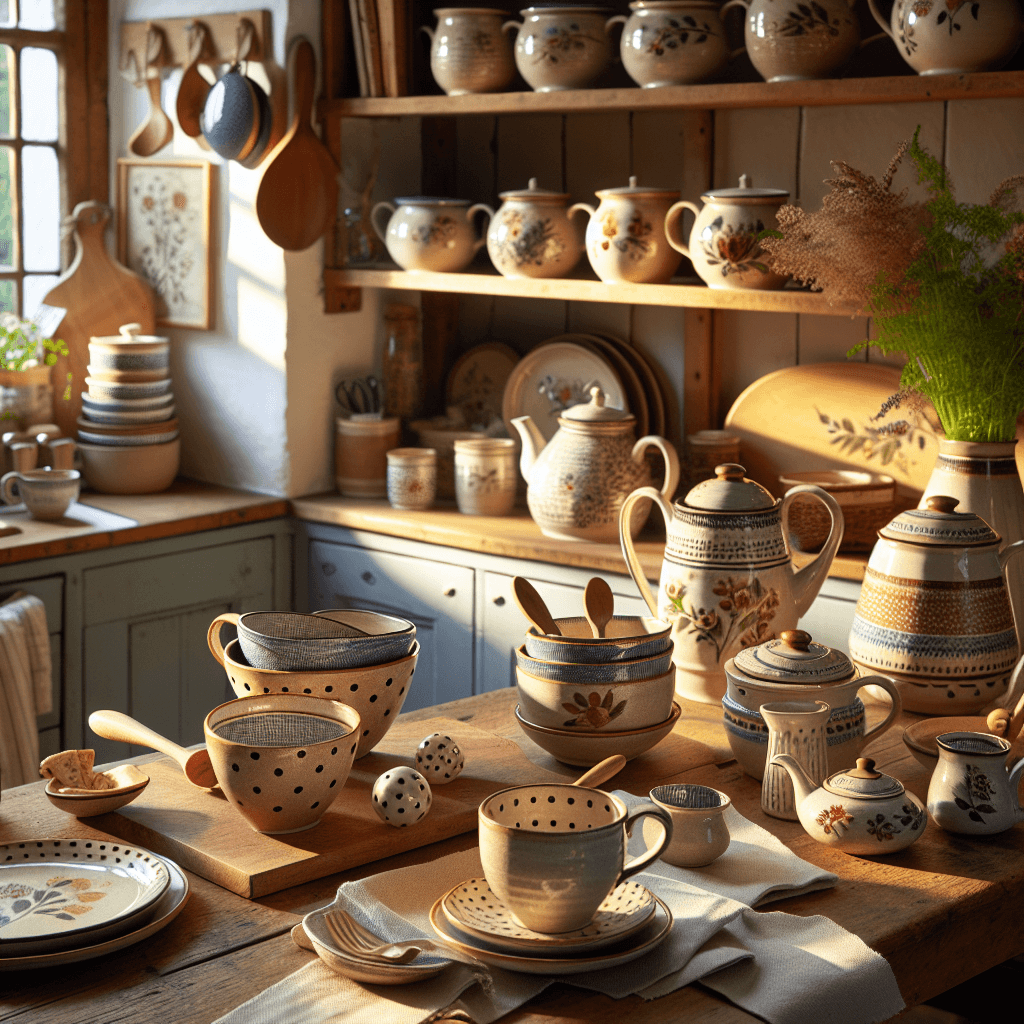
Understanding the appeal and purpose
Few tableware names evoke the warmth of British kitchen life the way Emma Bridgewater does, and for many shoppers, the brand’s cheerful patterns and tactile earthenware feel like an instant invitation to gather. If you are exploring options for everyday dining or seasonal entertaining in the home and garden category, the central question is often not whether to choose pottery, but how to build a collection that’s durable, cohesive, and easy to care for. With so many patterns, sizes, and occasional limited releases, it’s normal to feel overwhelmed by choice. This guide introduces the essentials—materials, sizing, care, and styling—so you can shop and plan confidently. At a glance, Emma Bridgewater pieces deliver a few key benefits that suit modern homes. Earthenware offers a comfortable weight and a gentle, handmade character; patterns range from bright polka dots to florals, wildlife, and text-based designs; and there are options suitable for a morning coffee, a family dinner, or a generous weekend brunch. Yet the decisions that matter most are practical: selecting the right mug capacity for your daily brew, matching plates and bowls to your storage and dishwasher space, and choosing patterns that coordinate across rooms—from kitchen to patio—without feeling overly matched. Another common consideration is longevity. While ceramics are inherently durable, everyday realities—stacking, dishwashers, and busy households—make care a priority. Understanding the basics of earthenware maintenance can keep glazes bright and rims chip-free for longer. In addition, many shoppers want to integrate textiles, tins, and storage jars alongside their mugs and plates so the visual story carries across shelves and worktops. This is where a cohesive plan helps: picking a lead pattern, then layering simpler motifs or complementary colors around it. Finally, personalization and gifting continue to draw interest. Whether you’re celebrating a housewarming or simply naming a favorite mug, personalized text can turn a practical object into a small ritual. Before you begin, it can be helpful to preview collections and see what’s available seasonally. For current ranges and inspiration, many shoppers visit the brand’s website; if you prefer a quick route, you can browse via emmabridgewater.co.uk to view patterns, product details, and care notes in one place.
Materials, sizes, care, and styling
Most Emma Bridgewater tableware is earthenware, a ceramic that’s fired at temperatures that yield a warm, substantial feel and a slightly thicker wall than fine porcelain. This gives mugs and bowls a pleasant weight in hand and a cozy look on a wooden table. Compared with stoneware or porcelain, earthenware tends to convey color and pattern vividly through its glaze and hand-decorated finishes. In practice, that means polka dots, florals, wildlife prints, and lettered designs appear crisp yet characterful, with subtle variation that keeps pieces from feeling overly uniform. Sizing is where many buyers appreciate a clear roadmap. Mug capacities vary by style, with smaller cups suited to quick espressos and larger mugs better for leisurely tea. A popular everyday choice is often around the half‑pint region, with approximate capacities commonly in the 280–320 ml range depending on shape; travel or lidded options can differ. Side plates typically cluster around the 16–22 cm span, while dinner plates often sit around 25–27 cm. Cereal bowls range roughly from 15–18 cm in diameter, and pasta bowls are broader and slightly shallower for sauces. Teapots, jugs, and bakeware pieces follow similar logics: check the listed capacity or dimensions to align with your storage, dishwasher racks, and the number of people you host. Care is straightforward if you keep a few principles in mind. Earthenware can often go in the dishwasher depending on the product’s guidance, but gentler cycles and non‑abrasive detergents are generally recommended to preserve glaze and decoration. Avoid sudden temperature shifts—pouring boiling water into a chilled mug or moving a hot dish into cold water—as thermal shock can stress the ceramic. Where decoration includes metallic accents, avoid microwaves; for undecorated rims and standard patterns, verify the product’s microwave and dishwasher suitability on the label or product page. For stain removal, a soak in warm soapy water usually helps; persistent marks may lift with a mild paste of bicarbonate of soda and water applied gently with a soft cloth. Store plates vertically or with felt separators if you stack tall, and give mugs a little breathing room on hooks or shelves to minimize knocks. Styling across your home benefits from a simple framework. Start with one or two anchor patterns—perhaps a signature dot or a floral—and add calmer coordinates to frame them. On open shelves, group pieces by color family to avoid visual clutter; on the table, contrast a busier plate with a plain napkin, or pair patterned mugs with natural linen for balance. If you enjoy seasonal tablescapes, keep a small capsule of festive or garden‑themed pieces that rotate through the year. For a snapshot of what’s currently available and any bundle savings, you can explore offers and review product specifications before building your set.
Building your set and next steps
If you’re ready to curate a collection, begin with your daily routine. Count the mugs, bowls, and plates in constant rotation, then add a small buffer so you’re not washing after every use. Choose a hero palette—warm reds and pinks, fresh greens, or classic multicolor dots—and let it guide your next picks. A practical starter set might include four to six everyday mugs, a stack of side plates for toast and cake, dinner plates to match your table size, and cereal bowls that also double for soups. From there, add serveware—jugs, platters, or a teapot—once you understand how you actually host. Personalization can lend a thoughtful touch for gifts or family pieces. When adding names or short messages to items that allow it, opt for concise text and check the preview for legibility. Monograms or initials often read cleanly and stay timeless; dates can mark milestones without overwhelming the design. If you expect frequent dishwasher use, keep personalized pieces on gentler cycles and avoid harsh detergents to help preserve the finish over time. For gifting, consider assembling a small theme: a mug, tea towel, and biscuit tin, or a breakfast pair of mug and bowl with a favorite pattern. Storage and maintenance are long‑term allies. If you hang mugs, ensure hooks are spaced so handles don’t collide; if you stack bowls, rotate the top pieces occasionally so the same rims don’t carry all the load. Keep a mild, non‑abrasive cleaner on hand, and avoid scouring pads that can dull glaze. For outdoor dining, bring ceramics indoors after use to prevent knocks and sudden temperature changes. While many pieces are suitable for everyday use, only put items into ovens or microwaves if the product guidance confirms suitability; when in doubt, err on the side of gentler use. Budgeting is easier if you buy in phases. Start with essentials in your core pattern, then layer accent pieces over time, including seasonal motifs you truly love. This approach avoids duplicates and helps you stay within storage limits. Before purchasing, measure shelves and check dishwasher rack clearances so larger plates and serving dishes slide in easily. If you prefer direct guidance on current ranges, personalization, or care, the official site provides detailed product notes you can reference while planning your set. Throughout your journey, keep an eye on how your pieces live together—on a breakfast tray, beside a kettle, or layered on a dinner table. The most satisfying collections tend to be the ones you reach for daily: a favorite half‑pint mug that fits your hand, a bowl that’s just right for granola, and a plate size that suits your portions and dishwasher. With a simple plan and mindful care, you’ll assemble a pottery lineup that looks inviting, wears well, and reflects your routine without excess.
Key takeaways for confident buying
Emma Bridgewater’s hand‑decorated earthenware is popular because it pairs everyday practicality with approachable design. To shop confidently, focus on the basics: choose sizes that match your habits and storage, pick a lead pattern and a supporting palette, and follow gentle care to keep glazes bright. Many pieces may be suitable for dishwashers and microwaves, but always check the specific product guidance—especially when metallic details are present—and avoid abrupt temperature changes to protect the ceramic. Personalization is a simple way to mark occasions or organize household mugs, and thoughtful combinations—like a mug and tea towel—make reliable gifts. If you’re starting from scratch, prioritize a small core set—mugs, dinner plates, side plates, and cereal bowls—then add serveware or seasonal highlights as you learn what you use most. Measure shelves and dishwasher racks before buying larger items, and store with care to minimize knocks and rim wear. When you’re ready to compare patterns, capacities, and care notes in detail, browsing emmabridgewater.co.uk can help you narrow choices quickly. With a clear plan and a steady, incremental approach, you’ll build a collection that suits your home and garden life for years to come.