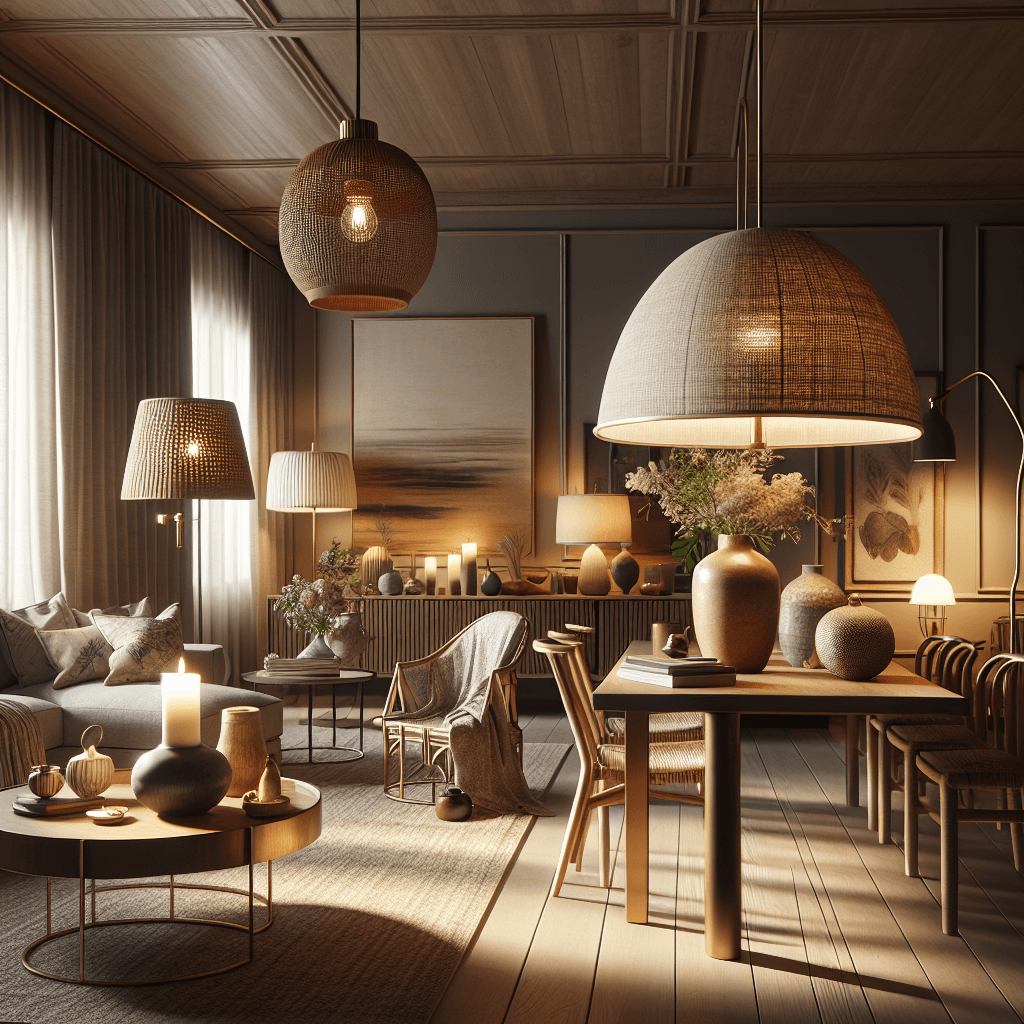
Why lighting choices matter
Lighting sits at the intersection of function and style, and nowhere is that more visible than in the home and garden category, where comfort and character meet the practical realities of daily life. The right light can make a room feel larger, warmer, and more inviting; the wrong one can flatten color, highlight clutter, or fall short when you need task visibility. Many shoppers begin with a single pendant or table lamp in mind, only to find there is more to coordinate than shade patterns and base finishes. Scale, color temperature, brightness, and placement all work together to shape how a space looks and feels. That is where a design-led brand like pooky.com comes in, offering a focused range of lamps, shades, and fixtures that help you bring a concept together while still expressing your style. For anyone refreshing a living room, dressing a bedside, or adding a welcome glow to a hallway, the goal is not only to find something beautiful but also to make sure it performs well for the activities that happen in that room. A living room typically benefits from layered light: ambient illumination for a relaxed atmosphere, focused reading light near a sofa, and accent light to lift artwork or architectural features. Bedrooms tend to favor softer pools of light with calming, warm tones. Kitchens and home offices demand more clarity for task work but still benefit from adjustable warmth and dimming in the evening. Gardens and outdoor areas add another layer of decision-making around safety and weather ratings, but the principle remains: good lighting supports what you do, when you do it, and tells a cohesive visual story while doing so. Shoppers also face a landscape of terms, from lumens and Kelvins to IP ratings and dimmer compatibility. It can feel technical, yet a few rules of thumb simplify the process. Warmer light (around 2700–3000K) typically suits living and sleeping spaces; brighter, slightly cooler light can assist when you need precision. High color rendering (a CRI around 90 or higher) helps colors and materials look true, especially where fabrics and art matter. Beyond the bulb, scale is critical. A large console can swallow a small lamp; a hefty base may overpower a delicate nightstand. Materials—from brass and glass to ceramic and rattan—carry their own visual weight and influence how light spreads in the room. By approaching fixtures as part of a plan rather than as isolated pieces, and by exploring the range at pooky.com, you can align form and function and create a cohesive result.
Styles, sizing, and light quality
Design choices start with understanding the role each fixture plays. Statement pendants or chandeliers set the tone as ambient sources and focal points, while table and floor lamps deliver localized light and decorative flair. Wall lights bridge ambient and accent uses, offering a flattering wash that reduces glare. Pooky’s design language often pairs classic silhouettes with patterned shades and textured materials, making it straightforward to echo a room’s palette or introduce a gentle contrast that still feels at home with your furniture and textiles. Shade selection is where many rooms succeed or struggle. Drum, empire, and gathered designs each shape light differently. A drum shade tends to cast even light up and down, while an empire shade directs more light downward, which can be helpful for reading. If you are unsure about size, a practical guideline for table lamps is to choose a shade whose width is roughly the same as the height of the lamp’s body (not including the bulb holder), or within a couple of inches of that measurement. For bedside lamps, ensure the bottom of the shade sits near eye level when seated so the light source does not glare. Over a dining table, pendants are commonly hung so the bottom of the shade rests about 70 to 90 centimeters above the tabletop, though ceiling height and fixture size may lead you to adjust. In hallways, smaller fixtures spaced at regular intervals can maintain a welcoming brightness without overwhelming narrow walls. Bulb selection is equally important. Warm-white light around 2700K creates a relaxed atmosphere for living and sleeping areas, while 3000–3500K can suit kitchens and utility spaces where clarity matters. Focus on lumens (brightness) rather than wattage, and look for a higher color rendering index (CRI) when you want materials and art to appear natural. LED bulbs are energy-efficient and stay cool, which helps protect delicate shades. If you are using dimmers, check that the bulb and dimmer are compatible to avoid flicker and ensure a smooth range of control. Bathrooms and outdoor areas introduce safety considerations. Look for an appropriate IP rating near water or in exposed locations, and consider finishes that resist moisture. For layered schemes, a combination of wall lights, a central ceiling fixture, and discreet task lights near mirrors or worktops can balance practicality with atmosphere. If you are comparing variations—base materials, shade fabrics, or sizes—you can see features side by side and note how each choice affects brightness, pattern scale, and visual weight. With these fundamentals in mind, the process becomes less about guesswork and more about matching fixtures to the way you live.
Practical steps to plan well
A clear plan saves time and helps you choose lighting that looks deliberate rather than piecemeal. Begin by noting the activities in each space and the times of day you use the room. Sketch a simple floor plan and mark where you need ambient, task, and accent light. Measure key surfaces: the length of your console, the height of bedside tables, the size of the dining table, and any alcoves or shelves you want to highlight. If you are considering a bold patterned shade, compare its scale to nearby textiles like curtains or cushions so patterns do not compete. When possible, gather finish samples—fabric swatches, metal chips, or photos of wood grains—to check how colors read under warm evening light and in daytime sun. Placement details make a big difference. If the lamp will sit behind a sofa, ensure the switch is within easy reach, and consider a floor lamp with a directional shade for reading. In a bedroom, a compact table lamp with a slightly opaque or lined shade can soften glare while providing useful bedtime light. Cable management keeps the scene tidy; routes along skirting boards or under furniture can avoid tripping hazards. For dining rooms, if one pendant feels under-scaled for a long table, try a pair of smaller pendants or a linear arrangement that spreads light evenly. Wherever you install mains-wired fixtures, use a qualified professional and verify that bulbs and dimmers are compatible. Controls are worth planning early. Dimming extends flexibility, allowing you to dial a room from bright to intimate. Smart bulbs can add convenience with scene presets, timers, or voice control; just confirm shade fittings and bulb shapes match your fixtures. For outdoors, timers or dusk sensors can make paths welcoming and efficient. Maintenance keeps lighting performing well. Dust shades gently and wipe metal or ceramic bases with a soft, dry cloth. Replace aging bulbs in pairs when color consistency matters. If you are refining choices online, consult size diagrams, product dimensions, and returns policies to shop with confidence. Many retailers provide guidance on bulb shapes and shade fittings; to confirm specifics for materials and sizing, the official site is a helpful reference. By aligning measurements, finishes, and controls with your day-to-day habits, you can build a lighting scheme that feels cohesive and comfortable while expressing the design character that pooky.com is known to inspire.
Key takeaways and next steps
A well-lit home depends on a few core principles: layer different types of light, size fixtures to their surroundings, and choose bulbs that support the mood and tasks of each room. Starting with a plan helps you balance style and practicality, while attention to details—shade shape, placement, and control options—keeps the result comfortable and flexible. Warm color temperatures generally suit living and sleeping spaces; brighter, slightly cooler light helps where precision matters. Consider safety and ratings for bathrooms and outdoors, and engage a qualified professional for mains installations. If you are refining a design direction, treat materials and patterns as part of the palette, just like paint and textiles. Take measurements, compare finishes in your actual space, and review product dimensions and compatibility notes before you buy. With these steps in place, it becomes easier to select statement pieces that anchor a room and supporting lights that complete the scene. Whether you lean toward patterned fabric shades, sculptural ceramic bases, or streamlined metal silhouettes, a thoughtful approach will help your lighting scheme feel intentional and inviting throughout the day.