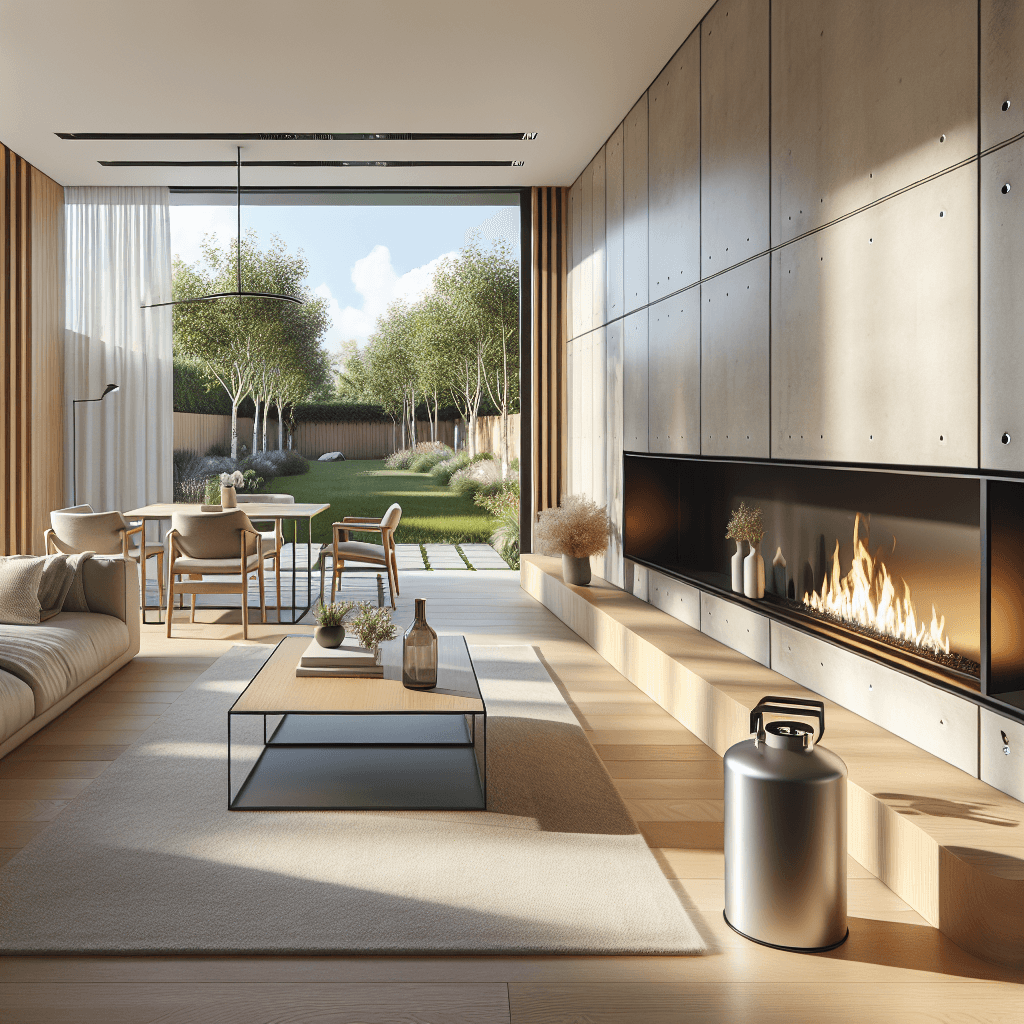
Why bioethanol appeals
Within the home and garden category, the search for flexible, design-forward ways to bring real flame ambiance into living spaces has led many homeowners and renters to consider bioethanol fireplaces. Traditional wood or gas fireplaces are timeless, but they can require chimneys, flues, permits, and ongoing maintenance that don’t always fit modern living. Apartments without a dedicated vent, heritage homes where adding a flue is impractical, and compact floor plans with limited wall space all make it challenging to enjoy a focal flame. Bioethanol fireplaces aim to address these constraints with a cleaner-burning fuel, simple installation paths, and a wide array of placements—freestanding, wall-mounted, recessed, or tabletop—that suit different interiors and outdoor spots. At their core, bioethanol fireplaces use a denatured alcohol derived from plant sources as fuel. When the fuel burns in a controlled burner, it produces a real flame without the smoke and ash associated with wood. There is no need for a chimney or a gas line, and routine upkeep is generally limited to occasional surface cleaning and careful refueling. For design enthusiasts, the lack of a flue opens up creative opportunities: think a slim linear burner as a modern room divider, a framed wall niche that acts as a gallery-like flame display, or a movable freestanding unit that shifts easily when you reconfigure a room. Because installation can be less invasive than traditional fireplace retrofits, bioethanol models can be a compelling option in rentals or spaces where structural work is limited. They can also complement outdoor lounges by adding a cozy focal point for cool evenings. It’s important to keep expectations grounded: bioethanol fireplaces are best viewed as ambiance-forward features that provide supplemental warmth rather than whole-home heat. You’ll want to consider the size of your room, ventilation practices, and fuel storage as part of responsible ownership. Manufacturer guidance varies, so always check model-specific requirements for clearances, run times, and safety precautions. Many shoppers begin by browsing a curated selection to understand sizes, burner capacities, and finishes. If you’re exploring the category for the first time, browsing design-led ranges at bioethanol-fireplace.co.uk can help you quickly map your preferred aesthetic—minimalist frameless, sculptural freestanding, or a slim tabletop accent—against practical considerations like room size and placement.
How these fireplaces work
A bioethanol fireplace centers around a burner designed to hold and vaporize liquid bioethanol. When ignited, the vapor burns with a consistent flame that typically produces water vapor and carbon dioxide in small amounts, avoiding the smoke and soot that necessitate a flue in traditional setups. Because the burn is cleaner than wood fires, you won’t be hauling logs or dealing with ash; instead, focus turns to responsible refueling, ventilation, and routine surface care. The product landscape is broad. Freestanding units offer the greatest flexibility and can be repositioned to refresh your layout; they’re popular in living rooms or open-plan spaces where you might also want a focal point that doubles as a movable design statement. Wall-mounted models add a gallery-like look and are often chosen when floor space is limited; make sure to follow wall-type and mounting instructions precisely. Recessed units deliver a built-in appearance with a clean finish, but require careful planning for non-combustible enclosures and clearances. Tabletop models provide a small-scale flame for compact rooms or outdoor dining settings. Outdoors, bioethanol fire pits and lantern-style fixtures can create a warm atmosphere on patios and terraces, with the benefit of relatively straightforward setup compared to plumbed gas. Safety and usability features vary, but common details include clearly marked fill lines, spill-resistant burner trays, and removable or sliding lids to extinguish the flame. Some burners incorporate ceramic wool or stones to help stabilize the flame; others offer manual controls or, in certain models, electronic assistance. The best approach is to compare specifications carefully—capacity (which influences runtime), burner width, recommended room size, and any additional protective glass or screens. In day-to-day use, plan for steady ventilation—cracking a window periodically or ensuring typical household air exchange—particularly in smaller rooms. Only refuel when the unit is completely cool, use fuel specifically labeled for bioethanol fireplaces, and store it properly away from heat sources. Stainless steel and tempered glass surfaces usually wipe clean with a soft cloth; avoid abrasive cleaners. If you’re narrowing down your shortlist, product pages and buying guides make it simpler to understand differences in dimensions, finishes, and safety details; you can also see features and compare how various models fit your room size and layout. This research helps ground expectations around flame height, heat contribution, runtime, and maintenance before you buy.
Choosing and installing well
Selecting the right bioethanol fireplace begins with your space. Measure the room carefully, note traffic patterns, and identify non-combustible surfaces where needed. If you’re mounting a unit on the wall, confirm stud locations and wall composition, and plan hardware accordingly. For recessed installations, follow model-specific guidance for cavity dimensions, ventilation gaps, and materials rated for high temperatures. Freestanding designs call for a stable, level surface with sufficient clearance on all sides; if pets or children are present, consider models with protective glass or a surround that restricts direct contact with the flame. A useful benchmark is to align burner capacity and recommended room size with your intended usage pattern. Larger burners can support longer runtimes but may require increased attention to room volume and ventilation. Many manufacturers publish room-size guidance and clearance diagrams—use these as a baseline, and always adhere to the most conservative recommendation when in doubt. European buyers often look for compliance with standards such as EN 16647 for decorative fireplaces; if relevant in your region, referencing such standards can add reassurance about testing protocols. Day-to-day safety rituals matter. Always extinguish the flame before leaving the room or going to sleep, do not move the unit while it is burning or hot, and only refuel once the burner has fully cooled. Keep a designated, non-flammable area for storing sealed bioethanol containers, away from sunlight or heat sources. For ventilation, integrate small habits like opening a window slightly during operation, especially in compact rooms. Outdoor use is straightforward but be mindful of wind, level placement, and proximity to furnishings. For maintenance, keep to soft, non-abrasive cleaning and check seals or lids for wear according to the manufacturer’s schedule. If you’re planning a feature wall, lay out the design with painter’s tape to visualize scale, then confirm cable routes for any unrelated electronics to avoid heat exposure. Your shortlist might include frameless recess, panoramic glass-front designs, or sculptural freestanding pieces that double as art objects. When you’re ready to compare precise dimensions, recommended clearances, and compatible accessories like screens or fuel canisters, the official site can help you verify details against your floor plan. Whether you’re refreshing a living room, creating a cozy reading nook, or elevating a patio, a well-chosen bioethanol fireplace from bioethanol-fireplace.co.uk can blend atmosphere, flexibility, and responsible operation.
Key takeaways and next steps
Bioethanol fireplaces offer a flexible route to real-flame ambiance without a chimney or gas line, which makes them appealing for modern homes, rental spaces, and outdoor lounges. They are best understood as decor-forward, supplemental heat sources that pair style with straightforward upkeep. Success comes from aligning a model’s burner capacity, recommended room size, and installation type with your specific layout and habits. Plan placements carefully, follow guidance on clearances, and practice consistent ventilation. Establish a safe refueling routine—only when the burner is cool—and store fuel responsibly in a dedicated, cool area away from heat. Finishes like stainless steel and tempered glass typically clean easily, helping the fireplace remain a low-maintenance focal point. As you evaluate freestanding, wall-mounted, recessed, or tabletop options, compare specifications such as dimensions, runtime, and safety features, and look for relevant compliance standards where applicable. With a measured approach, you can select a bioethanol fireplace that complements your interior style and supports comfortable, responsible enjoyment throughout the seasons. For a deeper look at sizes, materials, and accessories, explore curated ranges and verify model details to match your space with confidence.