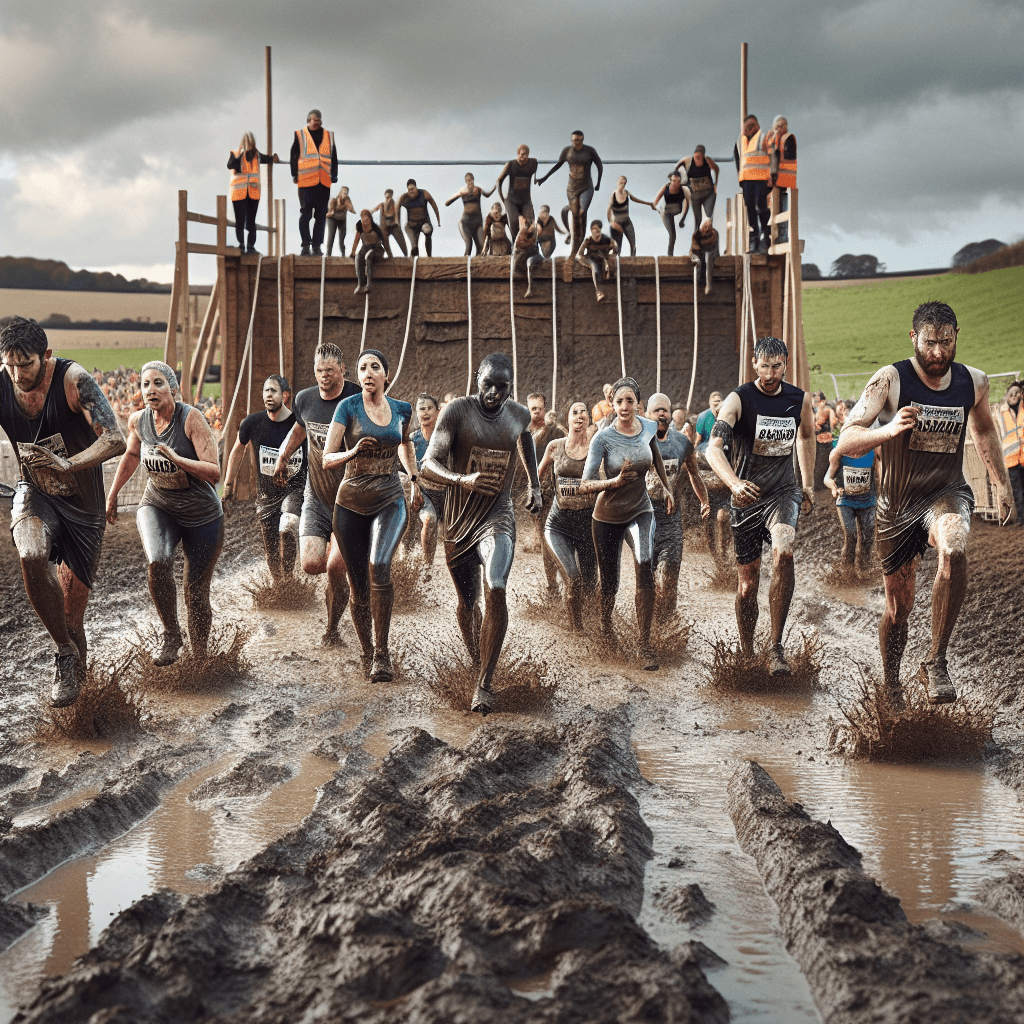
Why Tough Mudder matters
Obstacle course events occupy a unique space in the health, fitness, and sports category because they blend outdoor adventure, whole‑body movement, and community into one experience. Tough Mudder’s UK events are well known for muddy terrain, varied obstacles, and a strong emphasis on teamwork and camaraderie rather than finishing times. For many people, the appeal lies in testing everyday fitness in a supportive setting while enjoying the atmosphere of a festival-style weekend. If you are considering signing up, the main questions you likely have include which distance to choose, how to train without overcomplicating your life, what to wear, and how to plan logistics so event day runs smoothly. Those are the questions this guide addresses. Tough Mudder offers several distances through the year across venues in England, Scotland, and Wales, with formats designed to be accessible to first-timers while still challenging for returning participants. The diversity of obstacles and terrain means you will benefit from a balanced approach that develops grip, core strength, and cardiovascular stamina without requiring highly technical skills. It also means you should select your distance thoughtfully: pick the option that fits your current routine and calendar rather than attempting to squeeze in an unrealistic training load. Registration, dates, and practical details live on the official event hub, and you can always confirm course information and availability via toughmudder.co.uk. Beyond the physical challenge, Tough Mudder is designed to be social. Many obstacles are easier when people help one another over a wall or across a mud pit, and events typically celebrate teamwork. That community focus can remove pressure for a perfect performance and encourage participants to move at a sustainable pace. It also reinforces why preparation matters: a little consistency in training and a plan for shoes, layers, food, and transport can transform the day from uncertain to enjoyable. This guide walks through the essentials—how the event formats differ, how to structure simple weeks of training, what kit works on muddy courses, and how to handle the timeline from arrival to finish. The aim is a practical overview so you can make informed choices, reduce avoidable surprises, and feel ready to enjoy your chosen challenge with confidence.
Key details and preparation
Choosing the right format starts with an honest look at your recent activity. If you currently walk or jog a few times a week and can comfortably be active for an hour, a shorter distance with a moderate number of obstacles is a reasonable entry point. If you already train several days per week and enjoy longer sessions, a mid-length option could provide a fuller course experience. Multi-lap formats exist at select events for those who prefer extended time on course, but they require additional planning for pacing and fueling. The obstacle menu typically includes climbs, crawls, carries, balance elements, and water or mud features. You do not need elite-level skills; a blend of grip strength, basic pulling and pushing strength, steady aerobic fitness, and a willingness to work with others will carry you far. A simple 8–12 week preparation plan can be built around three pillars: cardio, strength, and mobility. Two or three cardio sessions per week (walking, jogging, cycling, or mixed intervals) build endurance for time on your feet. Two full-body strength sessions focusing on squats, hinges, lunges, pushes, and pulls can improve obstacle confidence; add brief grip work like farmer’s carries or hangs if available. One or two short mobility sessions help maintain range of motion and reduce stiffness. Recover with at least one rest day each week, and progress gradually. If you have any health concerns or are returning to activity after a break, consider seeking professional guidance before starting a new program. To identify a venue and format that match your timeline, you can explore events and review course overviews and location details. Kit choices make a noticeable difference on a muddy course. Grippy trail shoes with decent drainage and socks that manage moisture can reduce slipping and blisters. Lightweight, close-fitting layers help you stay warm without holding excess water; avoid heavy cotton. Gloves are personal preference—some prefer bare hands for better feel on wet equipment, others like light, grippy gloves. Pack a change of warm clothes and a towel for after you finish, plus a bag for muddy items. On fueling, eat familiar, balanced meals in the days before your event, and avoid trying new products on the day. Many venues provide water stations, but check your event page for specifics to decide if you want to carry a small soft flask. Finally, remember that Tough Mudder courses emphasize safety and staff support, including clear signage and marshals. Following instructions and pacing yourself help you move smoothly through the day.
Next steps to get ready
With an event in mind, map the next few months so your training fits around life. Choose a realistic weekly structure, for example: two cardio sessions, two strength sessions, one short mobility block, and at least one full rest day. When time is tight, combine a short run or brisk walk with a quick bodyweight circuit of push-ups, rows, squats, and planks. Every two to three weeks, schedule a slightly longer session at an easy pace to build comfort with sustained effort. If you are joining friends, align expectations early—decide whether you will stay together, how you will tackle obstacles, and what pace feels comfortable for everyone. Once registered, confirm the venue logistics and create a checklist: travel plan, parking or transit, bag drop information, and estimated on-site time. Many participants aim to arrive at least an hour before their start window to allow for check-in, warm-up, and any last-minute kit adjustments. Eat a familiar breakfast two to three hours beforehand, sip fluids, and bring a simple snack if you like. On course, move steadily, take short breaks if needed, and ask for or offer help at team-oriented obstacles. After you finish, change into dry layers, rehydrate, and plan a gentle walk or mobility work the next day. Two to three easy days after the event can help you recover before resuming regular training. If you need clarification on start windows, venue updates, or specific course notes, check the official site in the week leading up to your event. That is also a good time to re-check weather and adjust layers. For footwear, ensure laces are double-knotted, and consider gaiters if you dislike debris in shoes. Label your bag, pack a sealed bag for muddy clothes, and bring identification as required by the organizer. If you plan to make a weekend of it, book accommodation early and factor travel time to the venue on event morning. Lastly, respect sustainability requests by using marked waste points, carpooling where possible, and following all course instructions. These small steps contribute to a smooth day for you and everyone else on site, allowing you to focus on enjoying the experience.
Summary and final thoughts
A successful Tough Mudder UK experience starts with a clear, achievable plan. Select a distance that fits your current activity level, give yourself enough time to build cardio, strength, and mobility gradually, and prioritize consistency over perfection. Choose practical kit for wet and muddy conditions, confirm the logistics of your venue ahead of time, and aim to arrive early so you can warm up and settle in without rushing. On course, pace yourself, follow staff guidance, and lean on the teamwork spirit that defines the event. After you finish, change into dry layers, hydrate, and take a couple of easy recovery days before returning to your routine. Whether it is your first obstacle event or your next one, the combination of varied terrain, cooperative obstacles, and a welcoming atmosphere can provide a memorable challenge. With the essentials covered—distance selection, simple training structure, smart gear, and thoughtful planning—you can approach the day with confidence and focus on enjoying the experience with friends or fellow participants.