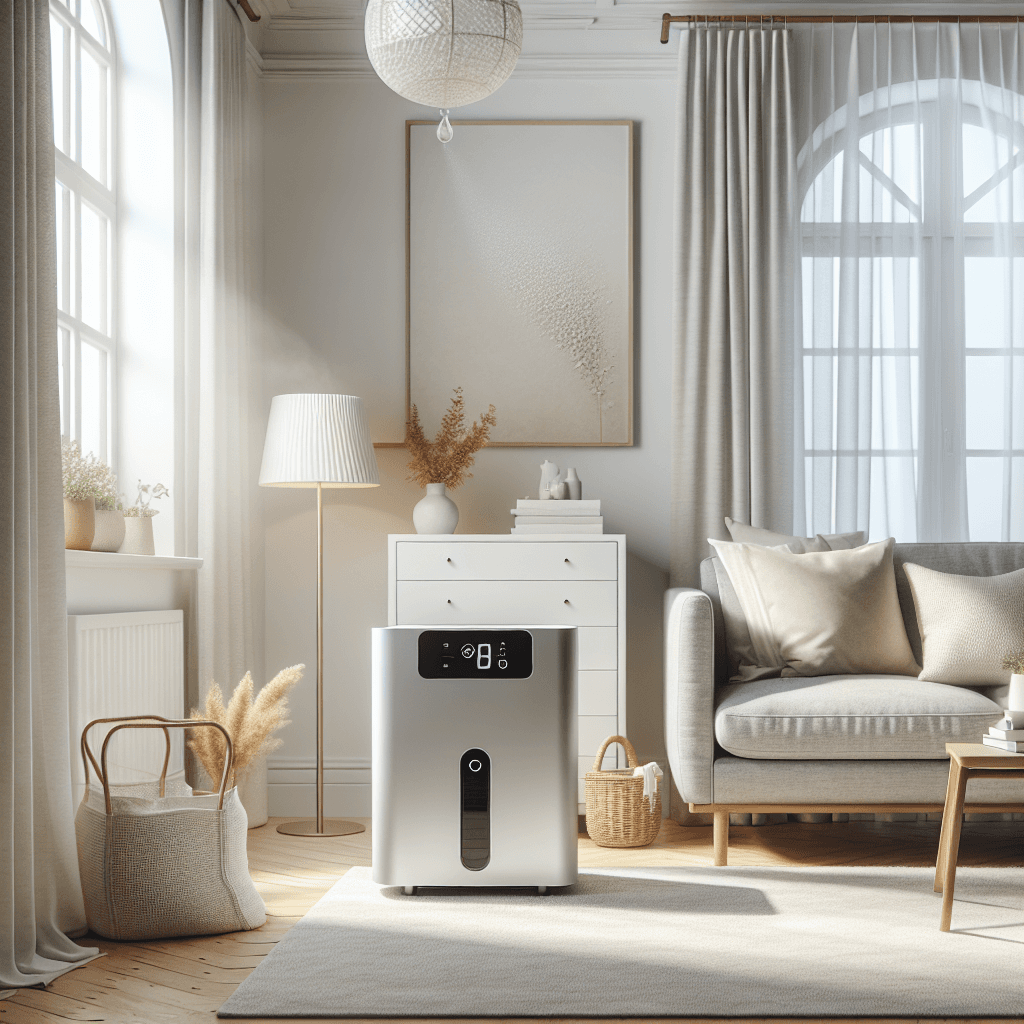
Why humidity control matters
Indoor humidity sits at the intersection of comfort, preservation, and efficiency. When air is too damp, you may notice persistent condensation on windows, musty odours, and the slow deterioration of materials like paint, timber, textiles, and electronics. When air is too dry, static, cracked wood, and general discomfort begin to surface. For many households across Europe, seasonal swings—cool, moist winters and warm, humid summers—make it challenging to keep conditions balanced. Within the electronics-appliances category, modern dehumidifiers and air treatment products exist to smooth those swings, help protect your home and belongings, and create a more consistent environment for work, rest, and laundry drying. Brands such as eu.meaco.com are well known for focusing on practical, user-friendly designs that address real-world living spaces without unnecessary complexity. To understand why dehumidifiers are such a common choice, it helps to consider the physics of air and moisture. Warm air holds more water vapour than cold air; as temperatures drop overnight, that vapour can condense on cooler surfaces like windows or external walls. Over time, repeated condensation can leave marks and contribute to damp patches. A dehumidifier reduces airborne moisture to a target relative humidity—often between 45% and 55%—which can help discourage surface condensation and reduce musty smells. In the context of laundry, running a dehumidifier in a dedicated room helps clothes dry faster while maintaining good ventilation, typically at lower energy usage than running electric heaters alone. There are two primary dehumidifier technologies: compressor (refrigerant) and desiccant. Compressor models tend to be more energy efficient in warmer rooms and are often selected for general, year-round living spaces. Desiccant models, by contrast, maintain strong extraction at lower temperatures, making them a useful option for unheated rooms, basements, workshops, or cold-weather use. Both types present trade-offs in energy consumption, noise profiles, heat output, and weight, so the best choice depends on your conditions. For example, a small apartment with moderate humidity may benefit from a compact, quiet compressor unit, while a coastal or winter-prone property might consider a desiccant unit for dependable extraction in cooler environments. Beyond core technology, product design matters. Well-placed carry handles, easy-to-read displays, casters, and accessible filters can change a device from a chore to a daily convenience. If you’re new to dehumidifiers or air purifiers and want a concise overview of model families, capacity ranges, and common features, it can be helpful to skim brand range pages before narrowing down to a shortlist. For a broad look at options and specifications, you can explore the range at eu.meaco.com, where layouts and comparison points are typically organized to make first-time selection easier.
Key features and examples
Capacity, expressed in litres per day, is the first specification most buyers encounter. While lab test conditions vary by standard, a practical approach is to map capacity to the size and damp profile of your space. A modest, well-insulated flat with occasional window condensation may need only a small to mid-size compressor unit. A larger family home with frequent indoor drying and persistent humidity might benefit from a higher-capacity model to avoid constant tank emptying and to ensure stable humidity during peak use. In cooler rooms or garages, a desiccant unit can sustain performance when temperatures fall below the comfortable range for many compressor machines. Energy use is the second consideration, and it’s more nuanced than a single wattage figure. Pay attention to the presence of an automatic humidistat and multiple fan speeds. A well-calibrated humidistat allows the unit to cycle on and off, maintaining the target range while minimizing unnecessary run-time. Energy-efficient DC fan motors, sleep modes, and eco settings can also contribute to lower average consumption. In practical terms, a dehumidifier that extracts quickly to reach the set humidity before idling may use less energy overall than a less powerful unit running continuously. If you often dry clothes indoors, a dedicated laundry mode—essentially a stronger, sustained extraction profile—helps shorten drying times, particularly when doors and windows are partially closed to create a controlled environment. Noise levels are equally important, especially for open-plan living and home working. Manufacturers typically quote sound pressure levels in dB; lower is better in quiet spaces. Look for quiet night modes, low fan settings, and well-designed airflow paths. Some units include a gentle heat boost (more common in desiccant models), which can enhance comfort in cool rooms and assist drying without the intensity of space heaters. Convenience features can make day-to-day ownership easier. A clear water tank with an easy-grip handle reduces spills, while continuous drainage taps enable long-term operation without manual emptying—particularly useful in utility rooms or basements where a nearby drain is available. Quick-access filters encourage regular cleaning, which maintains airflow and performance. Smart controls via an app or basic scheduling timers allow you to run the device during off-peak hours or when a room is unused. If air quality is also a concern, pairing a dehumidifier with an air purifier or choosing models that incorporate HEPA-type filtration can help manage dust and odours without making clinical or medical claims. For a closer look at specific models, specifications, and how different features compare in real homes, you can visit the brand pages and see features laid out in a way that’s easy to scan. As you evaluate eu.meaco.com offerings, keep in mind the intended room size, seasonal temperature range, and where the unit will physically sit. Avoid placing a dehumidifier tightly against walls or drapes; maintaining a small clearance on all sides helps airflow and extraction efficiency. If you plan to use continuous drainage, confirm the hose route and height relative to the drain to avoid backflow. Finally, check the warranty and aftercare details; straightforward support and readily available consumables—like filters—can extend product life and keep performance consistent.
Practical steps to decide
Start by identifying where humidity shows up in your home. Early-morning condensation on bedroom windows, damp patches in a loft bedroom, or a musty smell in a basement all point to different use cases. Measure room sizes and, if possible, use a simple hygrometer to track relative humidity at different times of day. Numbers are helpful: a reading consistently above 60% RH in a lived-in room suggests there’s scope for a dehumidifier to bring the space into a more stable 45–55% range. Consider the season, too. If your issue peaks during winter and rooms run cool, a desiccant model may be more consistent. If the home is kept at comfortable temperatures year-round, a compressor model is often efficient and quiet. Think through airflow and placement. A unit sitting centrally with a clear intake and unobstructed outlet will manage the entire room more effectively than one hidden behind furniture. If you dry laundry indoors, choose a space where the device can run for a few hours without disruption, and partly close doors to concentrate the effect. For bathrooms and kitchens, a dehumidifier complements extraction fans but does not replace ventilation; ensure you maintain appropriate fresh-air exchange. Next, weigh convenience against budget. A slightly larger unit with a humidistat, low-noise mode, and continuous drainage might cost more upfront but can be simpler to live with and may run fewer hours to maintain your set point. If you prefer hands-off operation, consider app control and scheduling so the machine operates when energy tariffs are favourable or when rooms are unoccupied. Maintenance is straightforward: wipe the exterior, rinse or vacuum filters based on the manual, and keep vents clear. These small habits help sustain performance and reduce strain on components over time. If your concerns include airborne particles from dust, pets, or outdoor pollution, an air purifier can complement a dehumidifier by improving perceived freshness. Keep expectations realistic: while purification can reduce particulate matter, it is not a medical device and should be used as part of a broader approach that includes routine cleaning and ventilation. Similarly, if odours are a concern, activated carbon filters can help, but results vary depending on the source and room conditions. When it’s time to choose, shortlist two or three models with suitable capacity, then compare noise ratings, the quality of the tank and handle, and how easy it is to access filters. Confirm that spare parts and consumables are available and that the warranty aligns with your expectations. If you want to double-check specifications, energy modes, or drainage options, the brand resources and buying guides are a good reference point; you can verify details directly at the official site. With a clear understanding of your room conditions and routine, choosing a dehumidifier or air purifier from eu.meaco.com becomes a practical, confidence-building step rather than guesswork.
Recap and next moves
A reliable dehumidifier is less about the largest number on a spec sheet and more about matching technology to your space, climate, and habits. Compressor units typically serve heated living areas efficiently, while desiccant models remain effective in cooler rooms or seasonal outbuildings. Features such as a precise humidistat, quiet modes, laundry settings, and continuous drainage can make daily use simpler and more efficient. Paying attention to placement, airflow, and routine maintenance helps the device deliver steady results without calling attention to itself. If air quality is also on your mind, consider pairing a dehumidifier with an appropriately sized air purifier to address particulate concerns and odours as part of a broader ventilation and cleaning routine. Keep targets realistic—aim for a comfortable 45–55% relative humidity in most living spaces—and let the unit cycle to maintain that set point. Take a moment to evaluate warranty terms and the availability of filters and spare parts, as that support can be just as valuable as headline specifications. With these principles in hand, you’ll be well prepared to select a balanced, long-lasting solution from eu.meaco.com that aligns with your rooms, your schedule, and the way you live.