Why efficiency matters
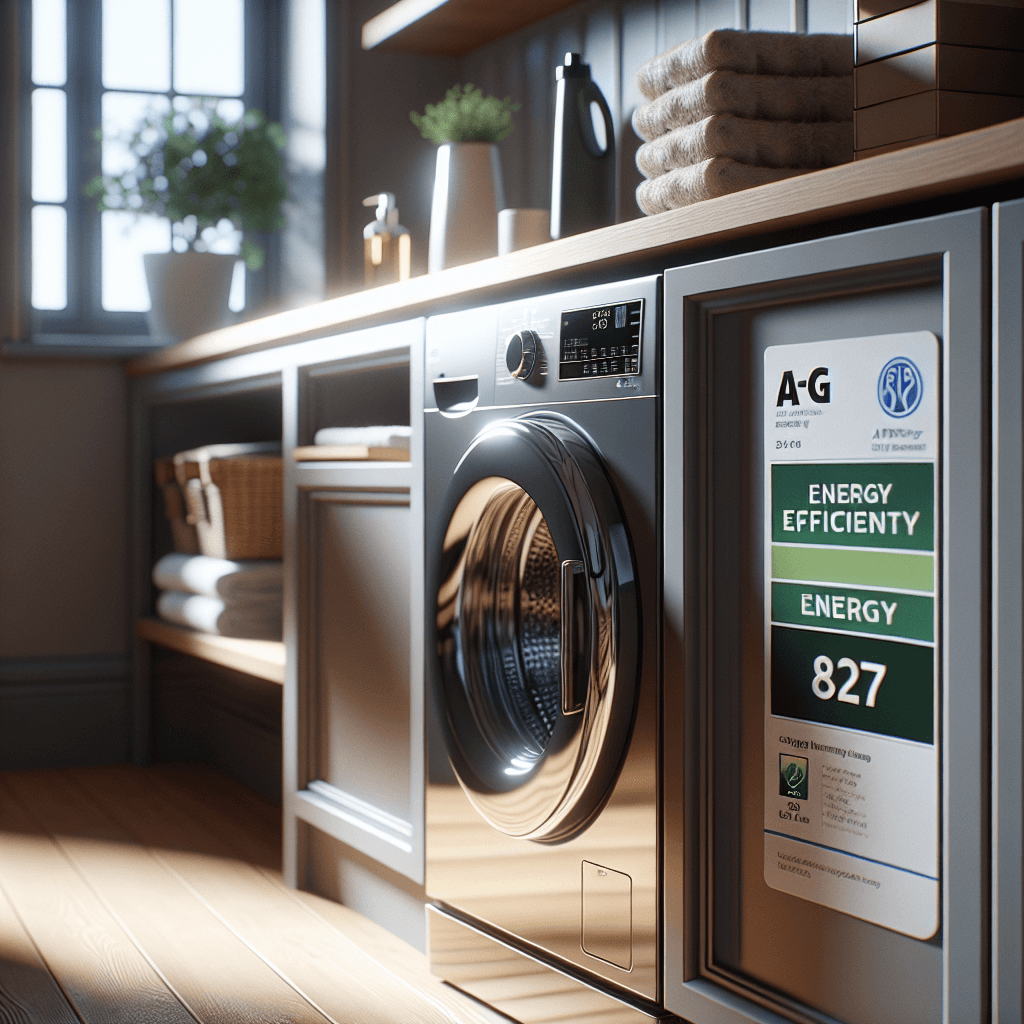
Choosing a washing machine can feel complicated, especially if you are prioritising lower running costs and a smaller environmental footprint. In the electronics and appliances category, energy efficiency is now central to how many households decide what to buy, because washing machines are used regularly and their energy and water consumption adds up over time. Understanding the key labels, features, and measurements will help you shortlist the right models for your home and avoid surprises after delivery. Retailers like appliancesdirect.co.uk make it easy to compare the latest specifications, but it helps to know what those details mean in everyday use. Start with the UK energy label, which was rescaled to the A–G range to make differences clearer at a glance. Many modern machines land in the B–D band, while A-rated models are emerging at premium price points. The label shows energy use per 100 cycles on the Eco 40–60 programme, water consumption, cycle duration, and noise rating, helping you compare like for like. It is worth noting that the Eco 40–60 programme is designed for robust cottons and mixed loads that are normally washed at 40–60°C; it may run longer at lower temperatures to achieve similar cleaning results with less energy. This is a typical trade-off: higher efficiency often means longer cycles, particularly on eco programs, while rapid cycles may use more resources to speed things up. Another key factor is drum capacity, usually listed in kilograms. A 7–8 kg drum tends to suit smaller households or those who wash little and often, while 9–10 kg suits growing families or anyone who prefers to wash bulky items like duvets at home. Larger drums can improve efficiency when consistently loaded close to their rated capacity, but they need enough laundry to justify their size. Load-sensing technology in many machines adjusts water and energy use to the amount of laundry, which helps when you run smaller loads. Spin speed also matters. Higher maximum spin speeds, such as 1400–1600 rpm, can extract more water and reduce drying time. If you regularly use a tumble dryer, a faster spin may lower the total energy used across washing and drying together. If you air-dry clothes, a strong spin can still help them dry faster, though delicate items might benefit from lower spin settings. Finally, consider noise, especially for open-plan living. Look for a low spin noise figure in decibels and, if available, a favourable noise emission class. Inverter motors and improved cabinet designs can reduce vibration and sound, providing a more comfortable daily experience.
Features and comparisons
Once you have a handle on labels and capacities, the next step is comparing features that change your day-to-day experience. Freestanding models are the most common and easiest to swap in and out, while integrated models are built behind a cabinet door to match your kitchen. If you are replacing an integrated machine, check door hinge compatibility and cabinet dimensions carefully. You can also explore offers to see how prices scale with capacity, energy class, and added features, then decide what truly benefits your routine. Programme variety is important, but more is not always better. Look for core cycles you will actually use: Cotton Eco 40–60, mixed loads, synthetics, delicates, wool, a refresh or steam programme, and a quick wash for lightly soiled items. Eco 40–60 is the reference for energy labelling and a good default for regular loads. Quick cycles are useful when time is tight, though they often suit smaller, lightly soiled loads and may use more energy per minute. Steam or refresh options can help reduce creasing and freshen garments; they are not a substitute for a full wash but add flexibility. Consider dosing and care features. Auto-dosing dispensers add the right amount of detergent based on load size, which can help avoid overdosing and residue. Some machines support connected features through Wi‑Fi or an app, letting you start or monitor cycles and view maintenance reminders. While smart features are optional, they can be helpful if you like detailed usage insights or want to schedule cycles to suit your routine. Noise and stability are worth attention if your machine sits near living areas or on suspended floors. Look for clear spin noise ratings and the presence of anti-vibration panels or balanced drum designs. Inverter motors typically run more smoothly and can be quieter at lower spin speeds. The door design and hinge strength also matter when you routinely wash heavier items. A wide, robust door with a comfortable handle makes loading easier, especially for larger drums. Finally, think about ownership experience beyond the spec sheet. Delivery options, installation services, and removal of your old appliance can simplify the process. Warranty length and the availability of paid protection plans vary across models and brands; choose what matches your risk tolerance and usage patterns. Spare parts availability and a brand’s service network can also influence long-term satisfaction. By comparing features against how you actually wash—load types, frequency, drying method—you will narrow choices to a shortlist that balances efficiency, convenience, and overall value.
Planning your purchase
A successful washing machine purchase starts with accurate measurements and a clear view of where the appliance will live. Measure width, height, and depth, accounting for hoses, plug clearance, and ventilation space. Standard widths are around 60 cm, but door frames, skirting boards, and tight corners can complicate access. If you plan to stack a dryer above the washer, check whether a compatible stacking kit is available and confirm total height clearance. Ensure the floor is level and sturdy; a poorly levelled machine is noisier, less efficient, and can wear components prematurely. Plumbing and electrical considerations are straightforward in most homes, but confirm that hose lengths will reach your taps and standpipe without kinks and that your socket is safely accessible. If you are replacing a machine, note whether the existing hoses and waste connections are in good condition or if they should be renewed with the new appliance. During installation, remove transit bolts, level the feet carefully, and run a test cycle to check for leaks or unusual noise. If in doubt, professional installation can save time and prevent setup issues. Care and maintenance habits help preserve efficiency over time. Use the machine’s drum clean cycle as recommended by the manufacturer. In hard water areas, consider routine descaling following product instructions, and use the correct detergent dosage to avoid build-up. Keep the door and detergent drawer slightly ajar between washes to promote ventilation, and periodically clean the drain pump filter to remove lint or small objects. These simple steps help maintain wash performance and keep odours at bay. For daily usage, load the drum sensibly—close to its rated capacity for towels and regular fabrics, with plenty of space left for delicate items that need movement. Sort laundry by care label, fabric, and colour where practical, and select the lowest temperature that still achieves the cleanliness you need. Eco 40–60 is a good starting point for many mixed cotton loads. If time is critical, use quick cycles sparingly and within their recommended load sizes. Keep spin speeds appropriate: high for cottons and towels if you plan to tumble or air-dry quickly; lower for delicates to protect fabrics. When comparing models and prices, focus on the features you’ll rely on most, and look closely at the energy label data and noise ratings. Customer reviews can offer insights into real-world reliability and usability. If you want to dive deeper into specifications, retailer guides can help you identify what each brand’s terminology means in practice; you can learn more about current ranges, typical delivery options, and installation support before you buy.
Key takeaways
Washing machines are long-term purchases, so it pays to match the appliance to your habits and space. Start with the UK energy label to compare models on the same basis, keeping in mind that A-rated machines are still relatively rare and often cost more. Choose a drum capacity that reflects your typical load sizes, and balance spin speed, programme options, and noise ratings against how and where you use the machine. Features such as auto-dosing, steam refresh, and load sensing can add convenience and consistency when they align with your routine. Accurate measurements, proper installation, and a few simple maintenance habits go a long way toward preserving efficiency and performance. Levelling the machine, cleaning filters and the detergent drawer, and using suitable cycles at the right temperatures all contribute to reliable results. If you are stacking with a dryer, plan for safe, compatible installation using a manufacturer-approved kit. Ultimately, aim for a shortlist that combines an energy-conscious label, the right capacity, and a user experience you will appreciate every week. Retailers like appliancesdirect.co.uk offer a broad selection that you can compare by energy use, noise, and features, helping you buy with confidence and clarity. With the groundwork done, your new washing machine should fit seamlessly into your home and deliver dependable cleaning for years to come.