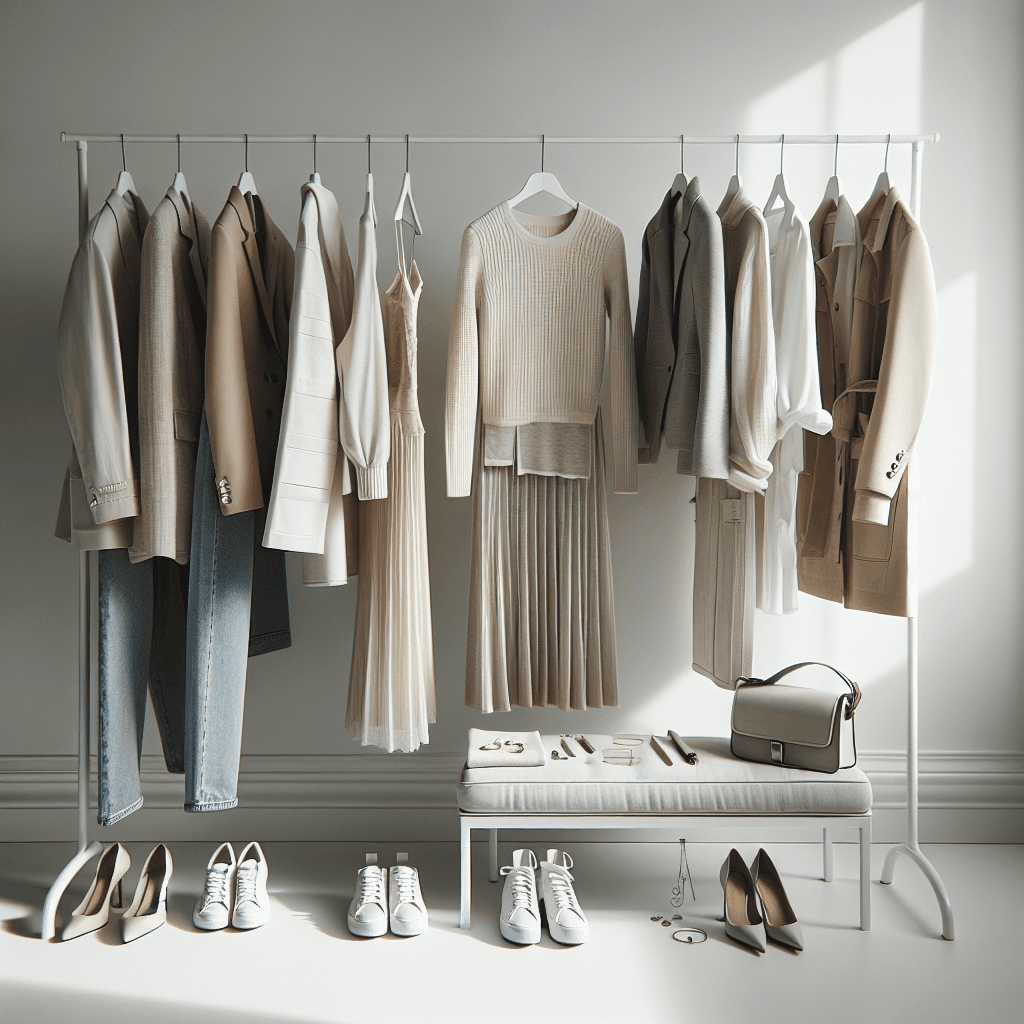
Why a capsule wardrobe matters
In the apparel and fashion category, capsule wardrobes continue to gain momentum because they solve a common problem: too many clothes and not enough coherent outfits. A capsule wardrobe focuses on a concise set of pieces that mix and match effortlessly, helping you get dressed faster, reduce decision fatigue, and make better use of your budget. For many shoppers, the challenge is balancing timeless staples with seasonal updates so that outfits feel current without requiring a constant influx of new clothes. Stradivarius, known for contemporary, trend-aware womenswear, offers a wide range of garments and accessories that naturally lend themselves to this approach. The brand’s mix of everyday basics, elevated essentials, and directional highlights makes it easier to craft a lineup that works from weekdays to weekends and across changing weather. A solid capsule starts with the foundation: versatile tops, well-fitting denim or trousers, a dependable blazer or lightweight jacket, and footwear that bridges multiple settings. From there, carefully chosen accent pieces—such as a pleated skirt, a slip dress, or a statement knit—can expand your outfit combinations while keeping the overall closet compact. Browsing the latest drops on stradivarius.com can help you identify silhouettes and colors that align with your existing wardrobe, ensuring new additions work with what you already own. Fit and fabric are key considerations. The most useful pieces in a capsule are often those that you can layer, dress up or down, and wear across seasons. A ribbed knit in a neutral shade, a straight-leg jean with a clean wash, and a crisp shirt establish a polished baseline; adding a cropped jacket or tailored blazer introduces structure. When combined with the right accessories—like a crossbody bag, minimalist jewelry, and a belt—these staples transform quickly from casual to refined. The payoff is a wardrobe that supports your day-to-day life, from commutes and campus to coffee dates and low-key evenings, without sacrificing personal style. This guide outlines how to build a versatile capsule using pieces commonly available from Stradivarius. You’ll find practical tips on choosing fabrics and fits, selecting a unified color palette, and adapting to seasonal shifts. We’ll also share pointers for evaluating product details online so your picks align with comfort and styling goals. Whether you’re starting from scratch or refining what you already own, a capsule approach can simplify your routine and help you feel put-together with fewer, more intentional items.
Key pieces and smart details
Start with denim and trousers, because they anchor a high percentage of outfits. A straight or slim-straight jean with minimal distressing is one of the most adaptable options; it pairs with sneakers for off-duty looks and with ankle boots for elevated ensembles. If you prefer a slightly trend-forward shape, consider a wide-leg jean or tailored pleated trouser—both balance oversized knits and cropped jackets well. Dark, mid, or ecru washes can create different moods, but choosing one or two consistent tones helps every top you own slide into rotation. Next, look to structure. A blazer or short jacket brings instant polish and sharpens proportions with denim, skirts, and dresses. Single-breasted silhouettes in neutrals—black, grey, camel, or navy—have more range, while a subtle pattern (think micro-check) can add visual interest without locking you into a narrow color scheme. Lightweight trench coats and cropped bombers are excellent for transitional weather and layering. Knitwear and tops do heavy lifting in a capsule. A ribbed mock-neck, a relaxed crewneck, and a fine-gauge cardigan offer layering flexibility. A crisp button-up shirt adds refinement and can be worn open over a tank, tucked into tailored trousers, or tied at the waist with high-rise denim. For dresses, a slip or T-shirt dress in a neutral shade works year-round, styled with sandals in summer or layered under knits and coats in cooler months. Skirts, such as pleated midis or soft A-lines, can dress up instantly with heeled boots and a belt. As for footwear, aim for two to three pairs that cover most scenarios: clean white sneakers, ankle boots with a comfortable heel height, and an elegant flat or low heel for more polished days. Accessories amplify versatility—belts define silhouettes, a compact crossbody and a structured tote cover different needs, and subtle jewelry ensures your outfits remain cohesive. Materials matter here: faux-leather finishes, suede-like textures, and brushed metals can add depth without overwhelming an outfit. When shopping online, scan product descriptions for fabric composition, lining, and care guidance. Natural fibers or blends often improve breathability; linings can affect drape and comfort; and care labels help you plan upkeep. Checking garment length and model height gives context for where hems will fall. If a piece is available in multiple shades, choose the option that harmonizes with your core palette for maximum reuse. To see what’s currently available across categories, you can explore offers that span denim, tailoring, knitwear, dresses, and accessories. Color strategy ties everything together. Many capsule wardrobes lean on a neutral base—black, white, grey, taupe, navy—then introduce one to two accent colors per season. This approach keeps outfits harmonious and makes mixing prints, textures, and silhouettes easier. A restrained palette doesn’t mean dull; contrast—like pairing soft knit textures with smooth satin or structured tailoring with fluid skirts—adds interest while staying streamlined.
From planning to confident outfits
Begin with a quick closet audit. Identify the pieces you already wear frequently, then note where your wardrobe struggles: perhaps you have many statement tops but lack neutral bottoms, or several dresses but no layering pieces. Use these observations to form a focused list, prioritizing items that unlock the most outfits. For example, if you rarely wear certain skirts because you don’t have the right shoes, adding ankle boots might multiply your options more effectively than buying another skirt. Define your palette next. Choose two or three base neutrals—say black, cream, and grey—plus one or two accents that flatter your undertone. This decision narrows your browsing and increases the odds that each purchase integrates seamlessly. When you compare items online, consider proportion: long coats over straight jeans, cropped knits over high-rise skirts, and boxy jackets over slip dresses. Balance is the key to making both classics and trends feel wearable. Sizing and fit can be refined by checking size charts, garment measurements (if provided), and how the item is styled on the model. Note shoulder widths on blazers, rise and inseam on trousers, and fabric elasticity on knits and denim. If you’re between sizes, think about intended use—do you plan to layer a sweater under the blazer or wear the jeans with ankle boots? Those styling choices can determine whether you prefer a closer fit or extra room. Reading care guidance helps, too: some fabrics relax with wear, while others hold shape best when laundered gently and air-dried. As you build, structure purchases around outfits rather than single items. A blazer might be the centerpiece of multiple looks: with a ribbed knit and straight denim for casual polish, over a pleated midi for a smart-casual setting, or paired with a slip dress for an evening out. The same logic applies to accessories—choose a belt that works with trousers and cinches a dress, or a crossbody bag that transitions from day to night. Quality within budget is about selecting pieces that deliver high cost-per-wear, not necessarily about paying more. When you’re ready to refine your shortlist, browse categories, review product details, and highlight items that answer the specific gaps you identified. If you prefer a streamlined experience, you can visit the official site and filter by color, size, fit, and fabric to narrow the selection. Before checkout, re-check how well each piece pairs with at least three items you already own—this simple test helps maintain a cohesive, low-effort capsule that stays versatile across seasons.
Recap and next steps
A well-planned capsule wardrobe centers on a concise selection of pieces that work together seamlessly. Stradivarius makes this approach accessible by offering contemporary silhouettes—like straight-leg denim, tailored blazers, ribbed knits, and versatile dresses—that can be mixed and matched for both casual and more polished settings. The most effective capsules stick to a defined color palette, emphasize balanced proportions, and prioritize fabric and fit details. To move from inspiration to action, start with a closet audit, identify your most-worn items and where your wardrobe stalls, and build a targeted list that addresses those gaps. Focus on pieces that create multiple outfits, confirm measurements and care details through product pages, and choose accessories that can elevate and reconfigure looks with minimal effort. By approaching your purchases with this framework, you can assemble a compact wardrobe that adapts to your routine, feels current, and supports everyday confidence without excess. As trends evolve seasonally, revisit your capsule, add or rotate accent items, and keep your foundation strong so that getting dressed remains simple and dependable.