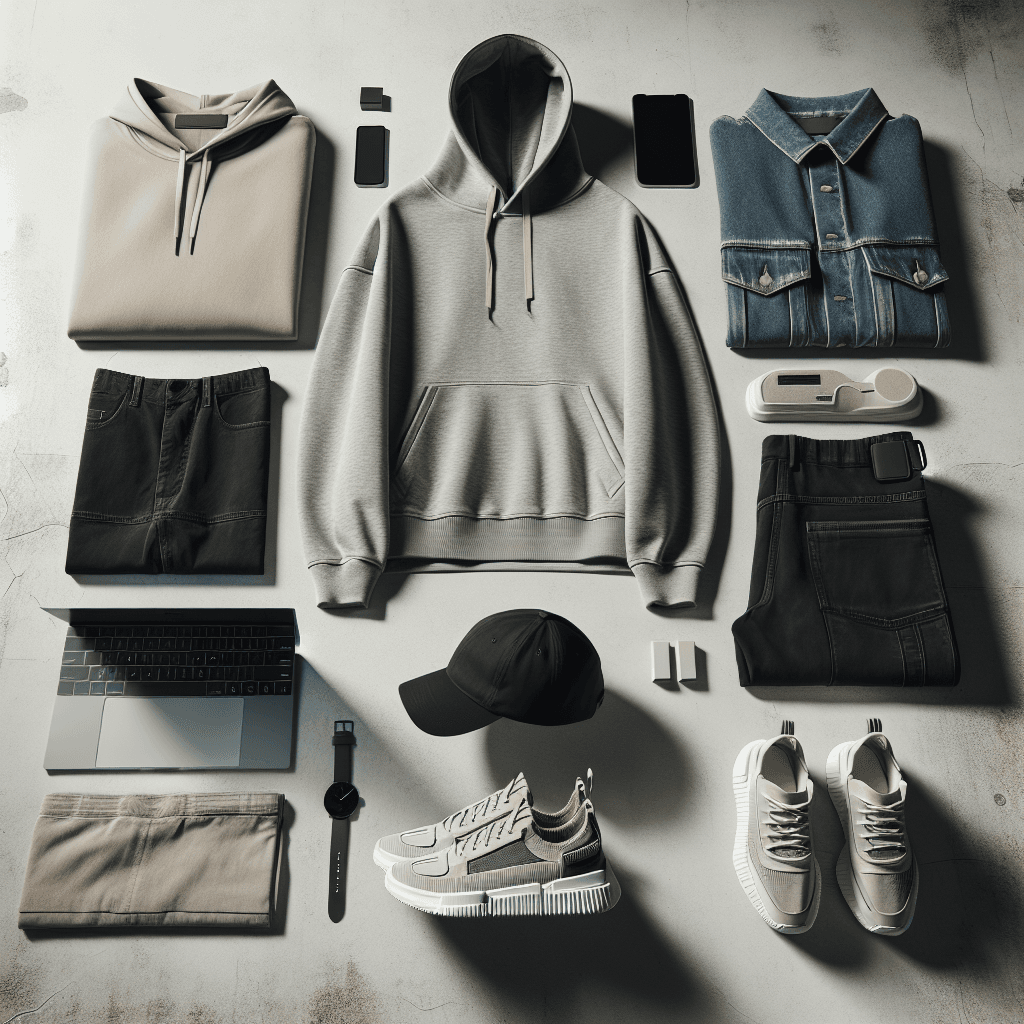
Streetwear shopping essentials
Streetwear has evolved from subculture uniform to a fixture in contemporary wardrobes, and the apparel and fashion category now spans everything from relaxed basics to runway-inspired collaborations. Yet for many shoppers, the challenge is not enthusiasm but clarity: what to buy, how it should fit, which fabrics feel better and last longer, and how to navigate drops, sizing, and returns with confidence. This guide offers a practical framework for making informed decisions when browsing multi-brand retailers, with a focus on the online experience offered by retailers such as moneyclothing.com. At a glance, streetwear can seem dominated by hype releases and fast-moving trends. In reality, most of the value comes from well-chosen staples—tees with the right drape, hoodies that retain their shape, denim that softens rather than sags, and outerwear that layers cleanly over varied silhouettes. The core problem shoppers face is knowing which details to prioritize. Fit is foundational: a boxy tee sits differently from a classic fit; a cropped puffer transforms proportions compared with a long parka. Materials matter just as much. Cotton weight (measured in GSM) influences structure and opacity; loopback vs. fleece-back terry changes a hoodie’s warmth and feel; denim composition (e.g., all-cotton vs. stretch blends) affects both comfort and how jeans age. Buying online introduces additional considerations. Product imagery shows color and texture, but screens vary; videos help assess movement and drape; and detailed size charts and model references reduce guesswork. It’s smart to compare measurements you already know—chest width, shoulder length, inseam—to the posted garment dimensions. Seasonal context matters as well: heavyweight pieces suit cooler months, while breathable knits and technical blends shine in spring and summer. Finally, delivery timelines and return windows can influence your timing, especially if you’re coordinating outfits for specific events or trips. The goal is a smoother, more deliberate path to adding pieces you’ll actually wear. Whether you’re building your first capsule or refining a long-standing rotation, a calm, criteria-led approach will help you balance style, comfort, and practicality without chasing every passing micro-trend.
Key details, fits, and fabrics
Turning intent into a good purchase starts with understanding the language of product pages. For tees and sweats, pay attention to GSM (grams per square meter). Light to mid-weight cotton (around 160–220 GSM) tends to drape softly and layer well under overshirts and jackets. Heavier knits (around 300+ GSM) feel structured, hold shape, and deliver warmth but may run warmer than you expect indoors. Hoodies and joggers often specify knit type: loopback terry is breathable and ideal for transitional weather, while fleece-back offers plush warmth. In denim, 12–14 oz weights balance structure with comfort for most climates; raw or minimally washed denim will mold to you over time, while stretch blends add immediate ease. Fit notes deserve a careful read. “Boxy” usually signals a shorter, wider silhouette that pairs well with higher-waisted trousers or cargos, while “oversized” extends length and width for a roomier, slouchy profile. “Relaxed” often splits the difference, offering ease without extreme proportions. Outerwear introduces additional variables: cropped bombers change the visual center of gravity, while longer chore coats elongate the frame. Footwear choice can complete or refine the look; minimalist sneakers keep ensembles clean, while chunky silhouettes anchor voluminous fits. Product photography offers cues beyond style. Look for close-ups of seams, ribbing, zippers, and hems to gauge construction quality. Natural-light shots often provide the truest sense of color and texture, and videos reveal how fabrics move. Robust descriptions clarify fiber content and care instructions, which help you plan longevity. Retailers frequently organize storefronts by brand, category, and fit, making it easier to compare similar items side by side; if you want to survey a range quickly, you can explore offers and filter by size, color, or price to get a snapshot of what’s available. Logistics are as important as aesthetics when shopping online. Estimate delivery needs by checking the shipping options at checkout, and always review return policies and any restocking requirements before purchasing, especially for final sale or limited-release items. Payment methods vary by retailer; choose the one you’re most comfortable with and confirm applicable fees or currency settings. Customer service responsiveness, clear product sizing guidance, and transparent stock statuses are additional positive signals. By combining these practical checks with a sharp eye for fit and fabric, you create a framework that keeps you focused on pieces that fit your life rather than just your feed.
Make confident, lasting choices
It helps to approach streetwear with a plan. Start by taking current measurements—chest, shoulder breadth, sleeve length, waist, inseam—and save them in your phone. Compare these numbers to posted garment measurements rather than relying solely on small/medium/large labels, because sizing conventions vary across brands. If you like a relaxed look without drifting into oversized, aim for 2–4 centimeters of additional chest width over your best-fitting tee; for outerwear, consider range of motion and layering space, especially if you’ll wear hoodies or chunky knits underneath. Build around a compact palette so your pieces intermix easily. Neutrals like black, grey, navy, and olive support both bold graphic tees and statement sneakers without clashing. A small set of silhouettes—boxy tee, tapered trouser, straight-leg denim, cropped bomber—can create many outfits with minimal effort. Layering is your friend: a heavier tee under a chore coat or a mid-weight hoodie beneath a shell jacket adds depth without excess bulk. If a product page includes a care guide, follow it closely—cool washes, inside-out laundering, and air drying extend the life of prints and preserve knit structure. Proper storage, like folding heavy knits to avoid hanger stretch, also pays dividends. Shopping cadence matters. Many retailers refresh new arrivals weekly, with seasonal peaks during the transition months. Set alerts for restocks in your size and revisit items after you’ve compared alternatives. Use wishlists to avoid impulse buying; if an item still feels essential after a few days, it’s likely a good match. When you’re ready to commit, reviewing the retailer’s FAQs and sizing notes on the official site can resolve last-minute questions. Sustainability is also a practical consideration. Natural fibers like cotton and wool are easy to care for, and responsibly sourced blends can balance performance with durability. Buying fewer, better pieces and maintaining them thoughtfully is both cost-conscious and planet-friendly over time. Finally, if authenticity matters to you, shop from established retailers with clear brand partnerships, consistent product photography, and accessible customer support. Combined, these steps create a stable routine: measure, shortlist, compare, and then purchase with clarity, resulting in a wardrobe that wears well season after season.
Recap and simple actions
Streetwear shopping becomes straightforward when you focus on fundamentals: silhouette, fabric, and the context of how you’ll wear each piece. By using measurements to navigate fit, relying on weight and fiber content to anticipate drape and durability, and checking product imagery for construction cues, you dramatically cut the guesswork of buying online. Retailers like moneyclothing.com make it easy to filter by size, color, and category, but your personal criteria—what layers together, what suits your climate, and what you’ll reach for weekly—do the heaviest lifting. If you’re refining a wardrobe, start with versatile staples and add statement items once the base is covered. Keep a short wishlist, compare similar options across brands, and resist rushing decisions simply because something is trending. Read return and shipping details before checkout so timing expectations are clear, and consult any fit notes or care guidance featured on the product page. With a measured approach, you’ll build a rotation of pieces that look and feel right, season after season, without overcomplicating the process.