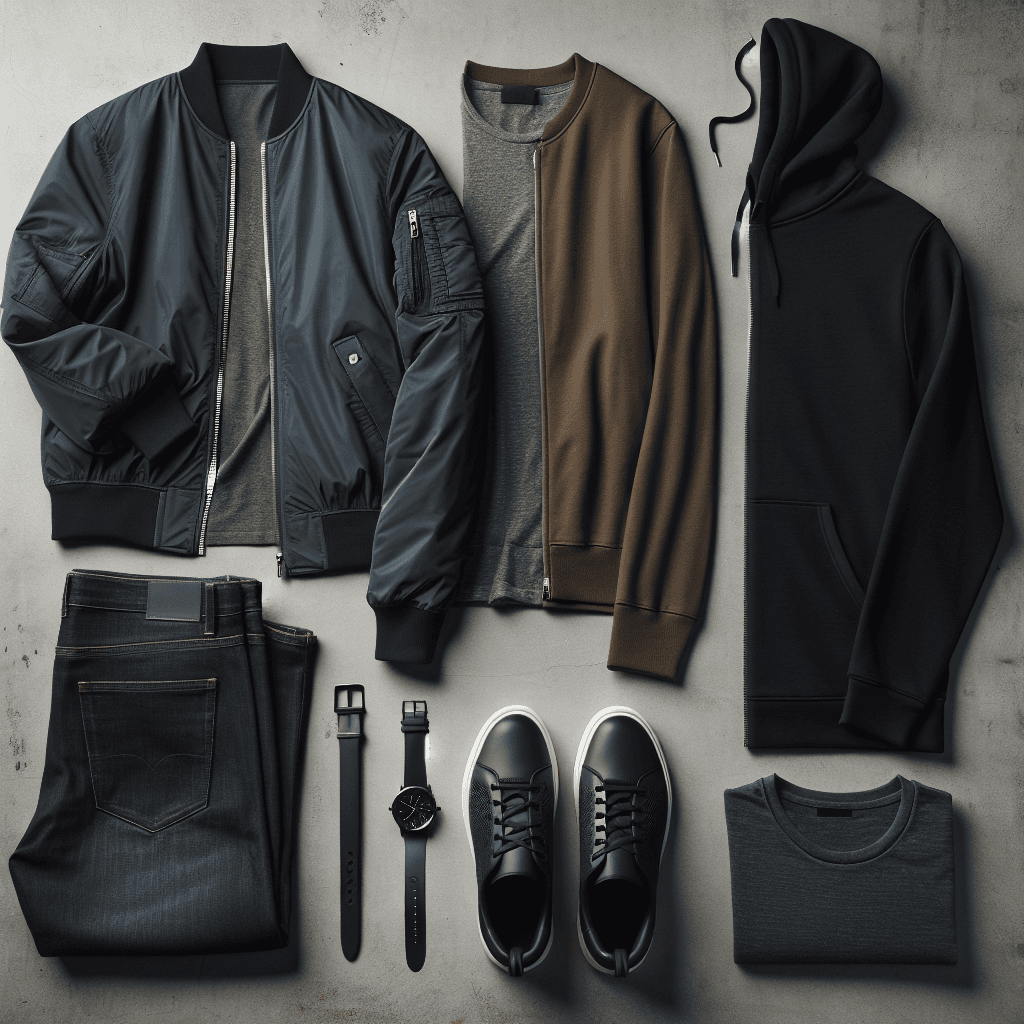
Urban style with purpose
In the apparel and fashion category, few needs are as universal as building a wardrobe that looks sharp, feels comfortable, and works just as well on a weekday commute as it does on a weekend meetup. Duck and Cover has long carved a space in urban menswear by blending utility-inspired details with streamlined silhouettes, making it easier to dress with intent without overthinking every outfit. The key challenge many shoppers face is finding pieces that bridge everyday wear and polished style, especially when navigating changing seasons, variable weather, and workplace norms that now range from smart-casual to fully relaxed. The result is a demand for clothing that is durable without being bulky, current without being short-lived, and versatile enough to pair with items you already own. This guide is designed to help you navigate the essentials of Duck and Cover’s approach—how the garments fit, how common fabrics behave, and how to style core pieces so they earn repeat wear. Whether you’re refreshing a few basics or assembling a new capsule, understanding these fundamentals can save time and reduce returns. For instance, you’ll see why certain cuts flatter a broader range of builds, or how a neutral color palette (navy, grey, black, and olive) minimizes morning decision fatigue while still allowing room for the occasional pop of color. It also helps to think practically about context. What needs do you want your clothes to solve? Commuters often prioritize weather-resistant outerwear, comfortable stretch in chinos or denim, and layers that look tidy under a jacket. Weekend wear leans into easy hoodies, well-knit crews, and lightweight overshirts that transition from coffee shop to evening plans. By pinning down your most frequent scenarios first, you’ll identify the best value for your closet rather than chasing one-off pieces. If you’re beginning the process, browsing current collections at duckandcover.co.uk can help you map needs to actual items and see which styles have returned season after season—often a sign of a reliable fit and enduring demand. Finally, remember that the best wardrobes balance form and function. Duck and Cover’s streetwear-influenced approach offers that middle ground: silhouettes that feel modern without being extreme, hardware and stitching that stand up to real use, and textures that add depth to everyday outfits. With a bit of planning and the right information on fit and fabric, you can build a lineup that works harder and lasts longer.
Fit, fabrics, and durability
Fit is the foundation of a confident look, and understanding how different categories wear on the body will simplify choices. Outerwear such as bombers and parkas typically sits true to size with room for midlayers, while shackets and lightweight overshirts often run closer to a shirt fit—trim enough to look tidy, but not restrictive. If you have broader shoulders or prefer a more relaxed drape, consider sizing up in structured pieces that include interlining or heavier canvasing. Knitwear—crewnecks and hoodies—tends to track with your usual size; the main variable is length. If you’re tall, prioritize styles with slightly extended body and sleeve measurements so layering remains clean. Denim is another category where small details matter. Many urban-focused jeans blend cotton with a touch of elastane for mobility, which is ideal for long days on the move. A mid-rise, slim-tapered cut offers a clean line over trainers or minimal boots without feeling tight. Pay attention to the ounce weight of denim or twill; mid-weight options are the most versatile across seasons. For chinos, look for a soft hand-feel and reinforced seams at stress points; this combination balances comfort with longevity. When you’re comparing specific fabrics and seasonal color drops, you can explore offers across core layers to identify staples that will anchor multiple outfits. Care and durability go hand in hand. Heavier cotton knits hold their shape best if washed inside out on a gentle cycle and dried flat; this minimizes pilling and preserves color. For jackets with coatings or technical finishes, mild detergents help maintain water resistance without damaging the fabric. Always check the garment’s care label—treating pieces as directed can significantly extend their lifespan. Hardware quality (zips, snaps, and trims) is also a good tell of durability; smooth, well-set components suggest fewer issues over time. Color and texture choices influence versatility. A core palette of dark neutrals simplifies layering and transitions easily from casual to semi-smart. Add one accent piece—a rust crewneck, a bottle-green overshirt, or a textured midlayer—to break up monochrome looks without complicating pairing. Finally, think about climate: if you face frequent rain and wind, prioritize light-yet-functional outer layers and mid-weight knits; in milder settings, focus on breathable cotton blends and unlined overshirts. With these details in mind, you’ll assemble a lineup that wears well, looks considered, and supports daily routines.
Smart shopping and styling tips
Turning knowledge into action starts with a quick audit of your current wardrobe. List what you actually wear weekly—your go-to jacket, two favorite pairs of trousers, and the three tops that always work. Identify gaps based on scenarios (commuting, after-work plans, weekends away), then prioritize purchases that fill the most common needs. Many shoppers benefit from a three-tier approach: essentials (denim, chinos, tees, hoodies), season drivers (a bomber, shacket, or parka), and finishers (a textured knit, a cap, or clean trainers). This ensures the majority of your spend goes to pieces you’ll repeat-wear. Sizing is smoother when you measure. Use a soft tape to confirm chest, shoulder width, sleeve length, waist, rise, and inseam. Compare your measurements to each garment’s size guide rather than relying solely on your usual size. If you fluctuate between two sizes, consider the fabric’s stretch: denim with elastane can accommodate a closer fit, while non-stretch twill may feel better with a little ease. When in doubt, consult product notes and customer feedback for cues on whether an item runs small, true, or roomier. You can also visit the official site to check updated size charts and material compositions before you finalize a basket. Outfit building rewards consistency. Anchor looks with a neutral base—dark denim or charcoal chinos—and rotate tops by warmth and texture: a white tee under a navy hoodie under an olive bomber is an easy formula that reads considered without trying too hard. Swap the hoodie for a mid-gauge crewneck to sharpen the look for dinner, or layer a shacket over a tee on warmer days. Footwear should echo the outfit’s tone: minimal trainers for everyday wear, dark boots for cooler weather, and simple low-profile sneakers for smart-casual settings. Finally, shop intentionally. Use filters to narrow by size, color, and fabric, then compare two or three candidates rather than scanning dozens of pages. Check return windows and care requirements so you know what’s practical for your routine. If sustainability matters to you, look for notes on fabric sourcing, wash processes, and packaging. Plan purchases around season transitions to maximize wear-time: lightweight layers in early spring and structured outerwear in early autumn. By aligning selection, fit, and care, you’ll build a wardrobe from Duck and Cover that stays relevant across settings and seasons.
Key takeaways and next steps
A reliable urban wardrobe balances fit, fabric, and function—three areas where Duck and Cover’s utility-informed aesthetic delivers everyday value. Start by clarifying your most frequent use-cases, then select versatile pieces that pair easily: a mid-weight bomber, a clean shacket, dark denim with light stretch, and knit layers in a neutral palette. Treat measurements as your guide, not guesswork, and review size charts and material notes before you buy. Fabrics and finishing matter; gentle care extends longevity and keeps color and structure intact. From styling, focus on repeatable formulas built on neutral bases and one accent at a time. This approach reduces decision fatigue while ensuring outfits feel modern and coherent. Shopping with intention—shortlists, filters, and seasonal timing—helps you secure essentials you’ll wear most. With these principles in place, duckandcover.co.uk becomes easier to navigate and more rewarding to shop. Explore steadily, build around your lifestyle, and let a few hard-working layers do the heavy lifting for seasons to come.