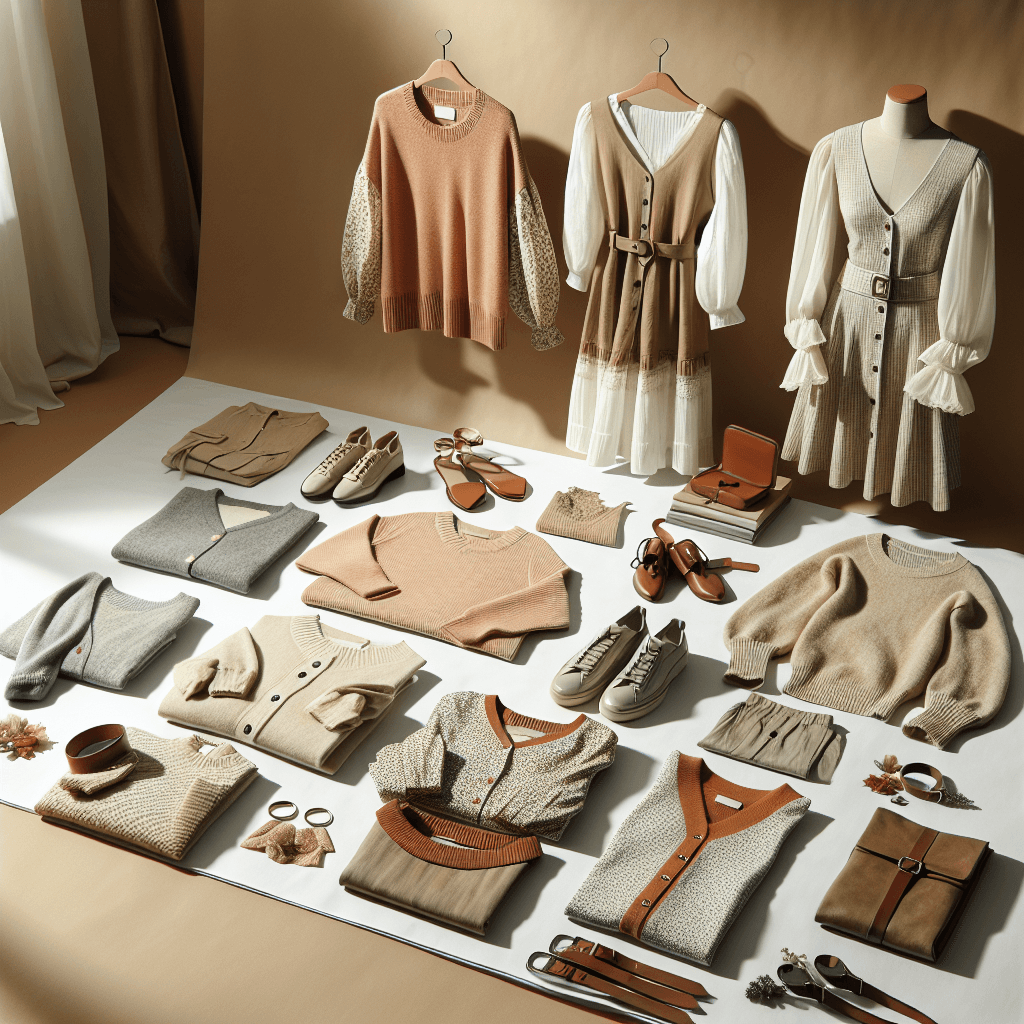
Why online fit matters
Finding clothes that feel as good as they look is one of the most enduring challenges in apparel and fashion. Shopping digitally gives you more styles, sizes, and price points in one place, yet it also introduces new questions: How will a midi dress hang on your frame? Will the knit hold its shape? Can you coordinate prints with your existing wardrobe? These are sensible considerations, especially if you are browsing a focused, trend-aware retailer like apricotonline.co.uk. The goal of this guide is to make your next session more confident and efficient by translating common fit and fabric questions into clear, practical steps. In the apparel and fashion category, a few fundamentals go a long way: understanding your measurements, reading fabric compositions, anticipating drape, and checking care guidance. These details shape how a garment moves with you throughout the day and how it lasts after multiple washes. Dresses are a great example. The same silhouette can look and feel different depending on fabric weight, seam placement, and ease through the hip. A lined piece may skim smoothly and offer modesty, whereas an unlined style can provide lightness and breathability for warm days. Knitwear works similarly. The tighter the stitch and the higher the density, the more structured the fit; lighter gauges, by contrast, tend to feel airy and layer-friendly. When you shop at apricotonline.co.uk, look beyond the product image and scan for composition notes like viscose blends for fluidity, cotton for breathability, or acrylic mixes for softness and easy care. Size charts, garment length notes, and model height references can help you anchor expectations. It’s also useful to visualize your day-to-day routine: Are you commuting, moving between meetings, or strolling on weekends? A dress with slight stretch or a jersey top with a relaxed shoulder can adapt to varied movement without losing shape. Finally, consider your closet context. Pieces that play well with what you already own—think a midi skirt that pairs with your neutral knit, or a floral dress that layers under a denim jacket—will earn more wear. With that mindset, you create a wardrobe that’s cohesive, comfortable, and ready for your schedule.
Fabric, fit, and function
The details are where online fashion choices become clearer. Start with fabric composition. Viscose and viscose-rich blends tend to drape fluidly and feel smooth against the skin, making them popular for day dresses and blouses. Cotton adds breathability and a slightly crisp hand-feel, helpful for warm weather or layering. Polyester blends can provide durability, wrinkle resistance, and color retention. Acrylic and nylon in knitwear contribute to softness, shape stability, and reduced weight. Each blend has a purpose; knowing these traits helps you predict how a garment will move and perform throughout the day. Fit descriptors also matter. A-line and skater shapes typically balance the frame by defining the waist and offering ease at the hip. Wrap and faux-wrap silhouettes allow adjustability and often flatter the midsection. Shift styles skim the body for a clean, minimal line, while bodycon cuts emphasize contour and stretch. In knitwear, relaxed fits layer comfortably over tees or dresses, and ribbed trims can bring a neater finish at cuffs and hems. If a product page includes garment length and model height, use those numbers as a baseline: compare to a piece you own to estimate where a hem will fall on you. For sleeves, note whether they are set-in (more tailored) or dropped (more casual). Small construction cues like darts, lining, or bias cuts change how the piece hangs. Practicality extends to care and maintenance. Double-check washing instructions; many everyday fabrics are machine-washable on gentle cycles, but knits may benefit from cool washes and flat drying to maintain shape. If you’re choosing between two sizes, skim fabric stretch content and reviews for clues about ease. When available, customer feedback about feel, drape, and true-to-size notes can be invaluable. To explore how all of this comes together in a single shopping experience, you can browse product pages to see features such as fabric breakdowns, length notes, and care guidance. As you compare options, think about seasonal needs: a lightweight woven dress for spring, a cozy knit for cooler days, or a versatile blouse for office-to-evening transitions. Prioritizing fabric and function turns browsing into deliberate selection.
From cart to confident wear
Turning a shortlist into reliable outfits is easier when you plan for real-life use. Begin by mapping each potential piece to at least three occasions, such as office days, brunch, and travel. This stress-test ensures your selection works beyond a single event. For dresses, imagine footwear swaps—trainers for casual, ankle boots for transitional seasons, and low heels for evenings. For tops, consider layerability under blazers or over slips. If a print draws you in, check whether its color story aligns with neutrals you already own. Complementary palettes multiply pairing possibilities and reduce the need for new accessories. Sizing choices benefit from a few metrics. Measure your bust, waist, and hip with a soft tape, and compare to the size chart on the product page. If you land between sizes, factor in fabric stretch and preferred fit. A jersey dress with elastane may feel more forgiving; a woven shift may need precise measurements. For knitwear, think about underlayers—if you plan to wear tees or shirts beneath sweaters, a slightly relaxed fit can be more comfortable. After delivery, try items in natural daylight, move around, sit, and reach—comfort during these micro-moments is a good predictor of all-day wearability. Care routines help preserve shape and color. Use a mesh laundry bag for delicate pieces, close zips before washing, and reshape knits while damp. If a garment calls for cool washes, treating it gently can maintain drape and texture. For storage, fold heavier knits to prevent shoulder stretch and hang dresses on supportive hangers. Finally, keep the shopping experience organized. Create a shortlist, note sizes and fabric compositions, and set reminders for seasonal restocks. If you need to revisit product details, the official site product pages typically consolidate size charts, care notes, and model references in one place. Remember to review delivery options and returns timelines before purchasing so you can plan any exchanges smoothly. With a few measured steps—clarifying use cases, checking fit signals, and planning care—you can move from browsing to confident, repeat wear without guesswork.
Key takeaways and next steps
Shopping women’s fashion online becomes straightforward when you focus on the elements that truly shape comfort and versatility: fabric composition, construction details, and fit notes. At apricotonline.co.uk, product pages typically outline these essentials—composition breakdowns, length measurements, and care guidance—so you can map pieces to your day-to-day life with fewer surprises. By comparing your measurements to size charts, checking stretch content, and thinking through how each item pairs with your existing wardrobe, you set yourself up for repeat wear rather than one-off outfits. Careful laundering and storage preserve drape, color, and texture, extending the life of your selections. Before checkout, confirm delivery and returns information to manage timelines calmly, especially around seasonal updates or special occasions. With these simple habits, your wardrobe evolves in a purposeful way: cohesive styles, dependable fits, and fabrics chosen for how you actually live.